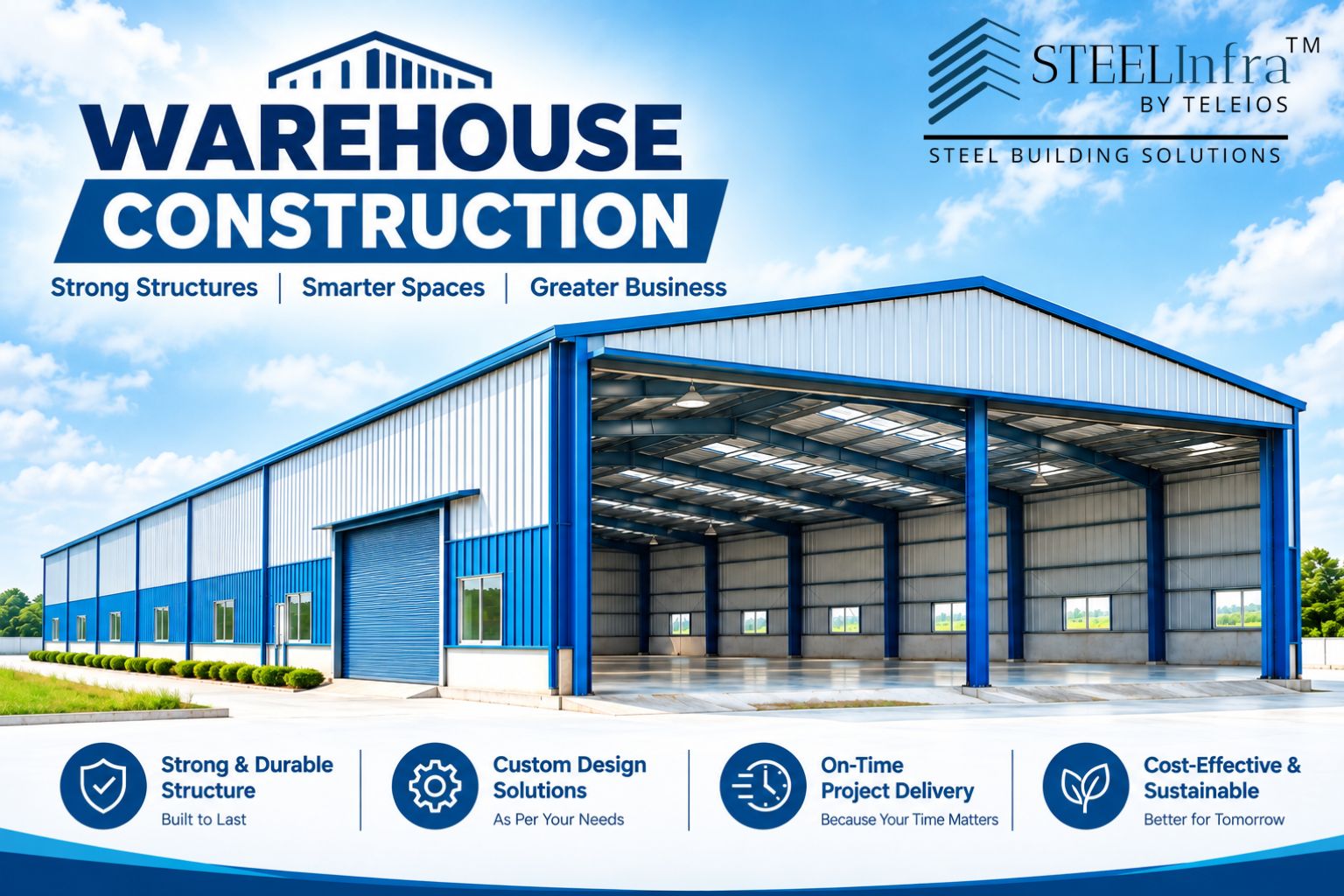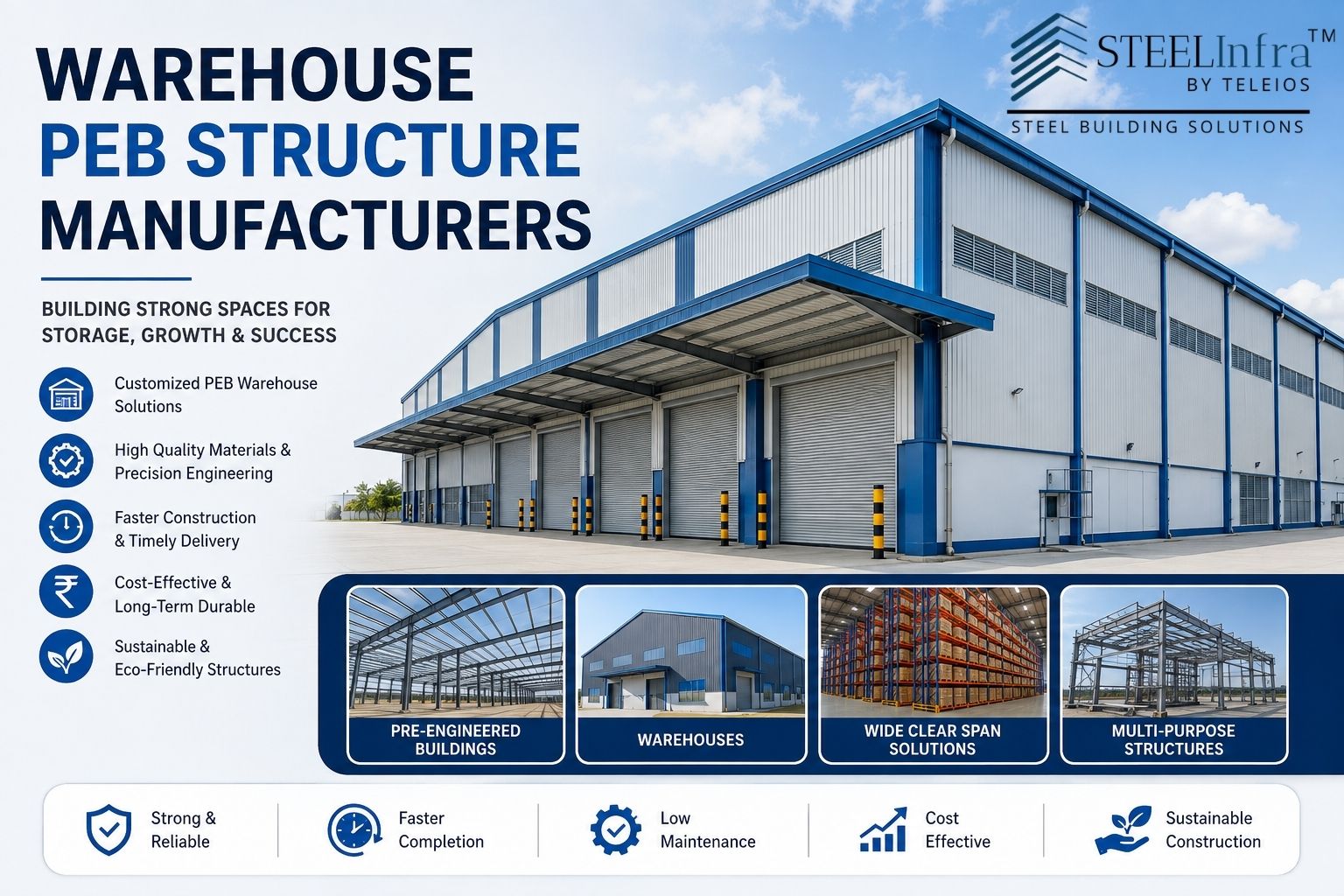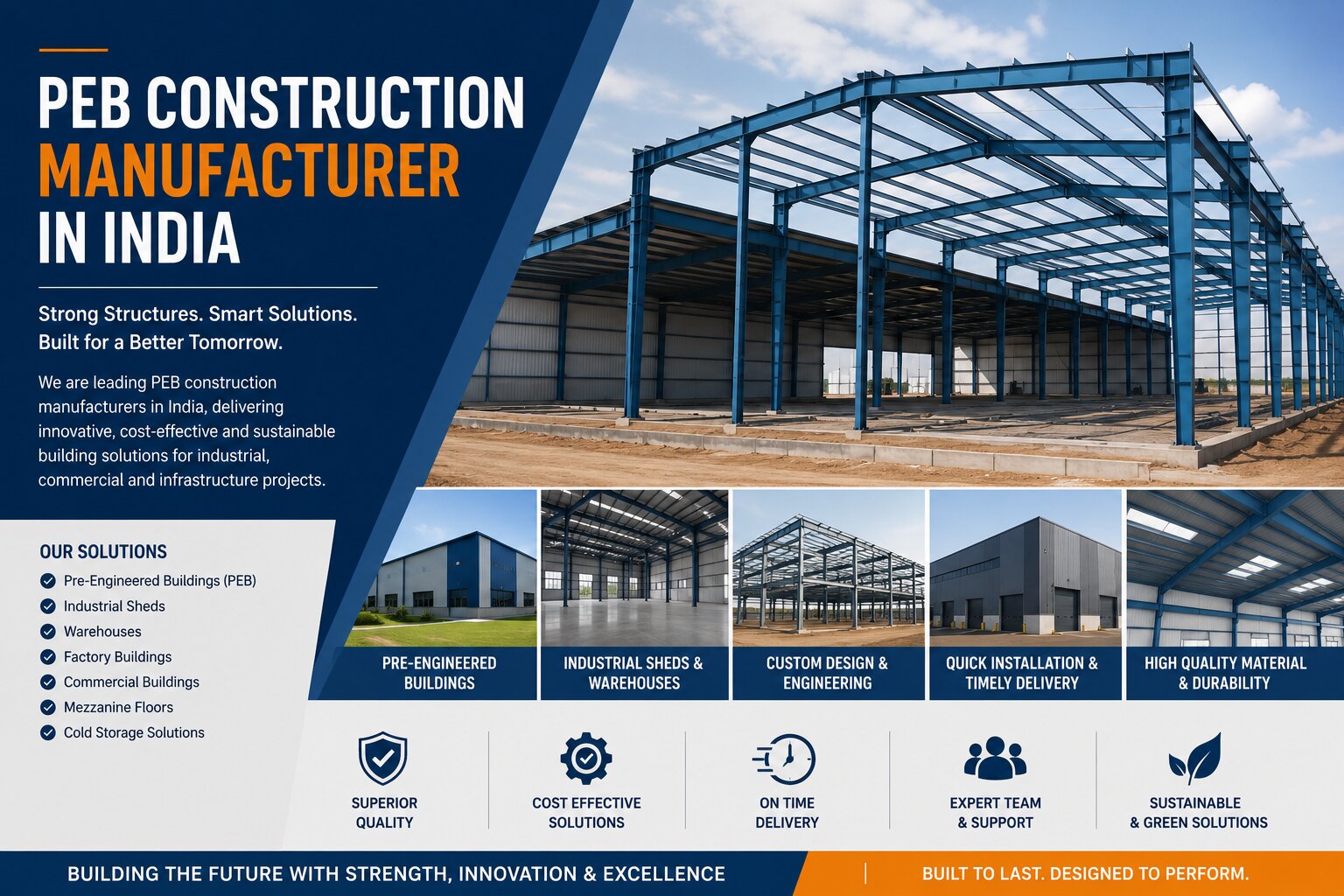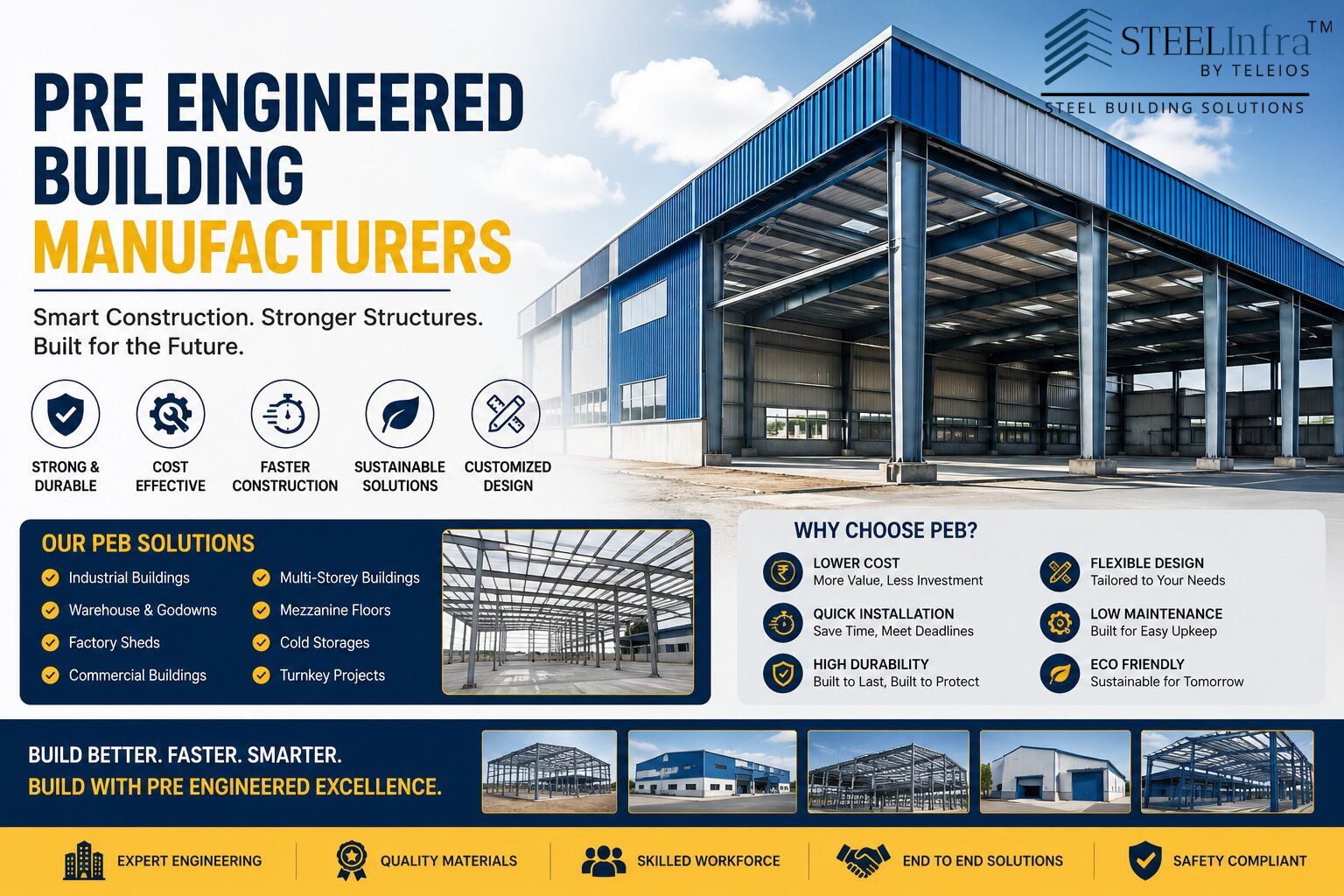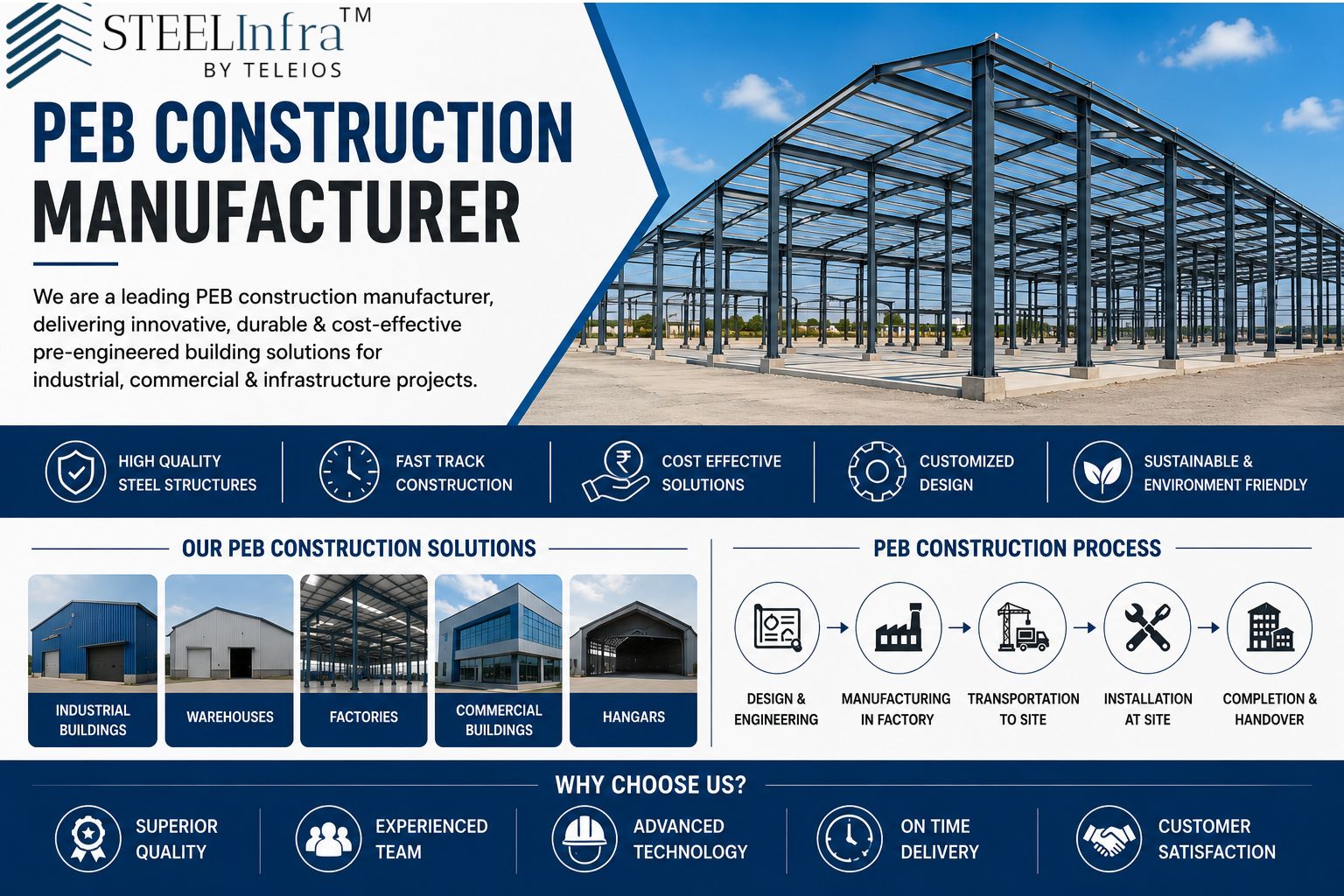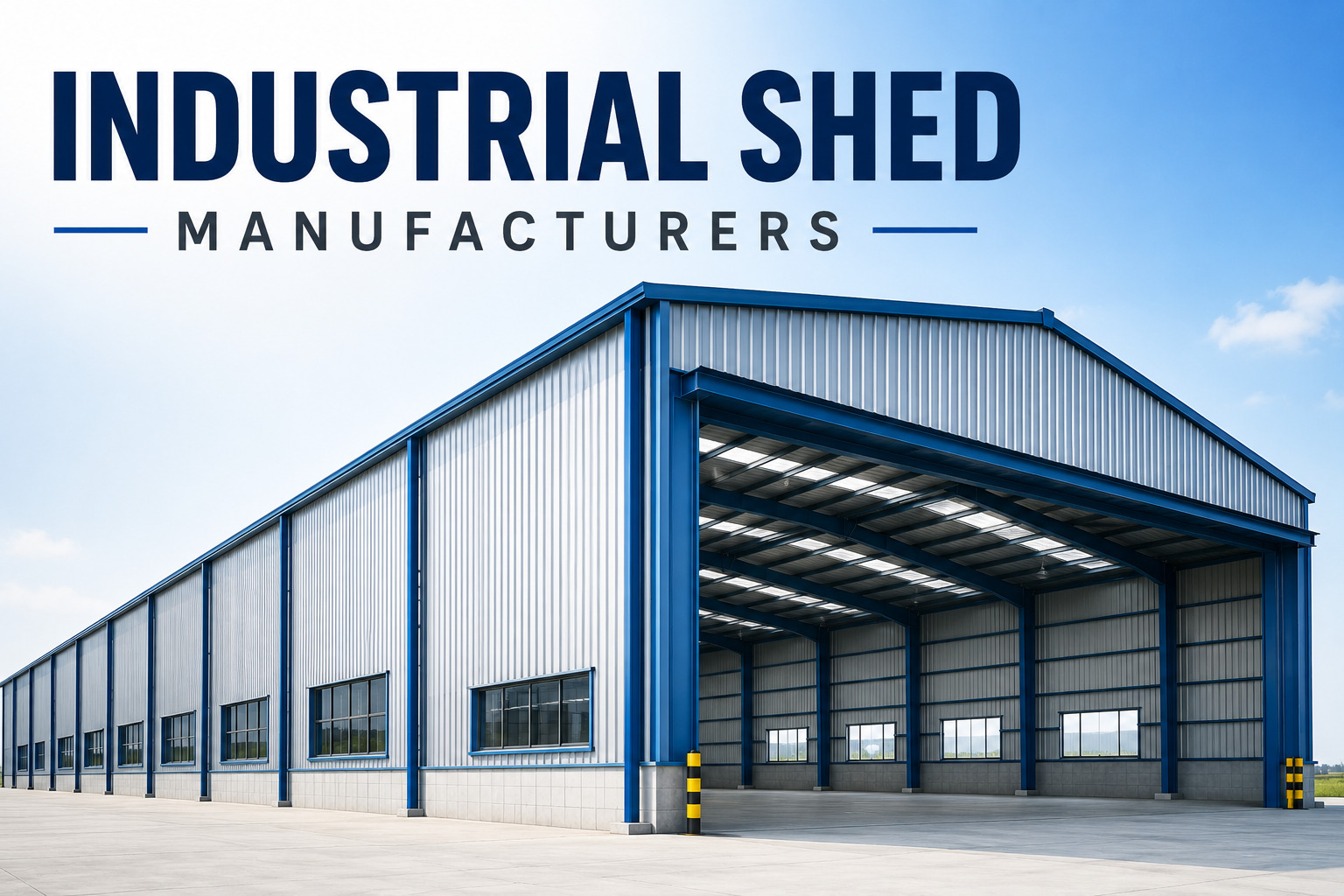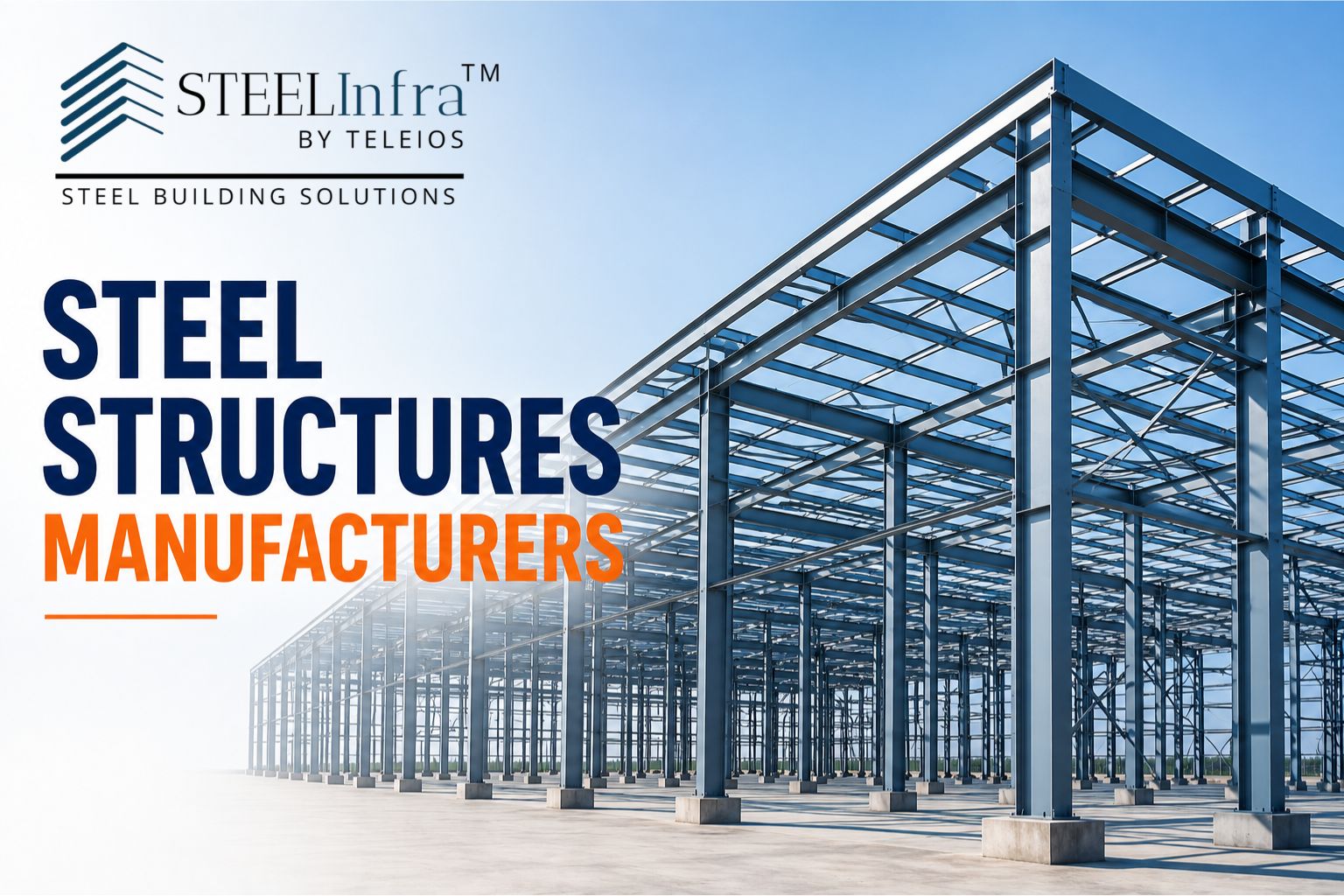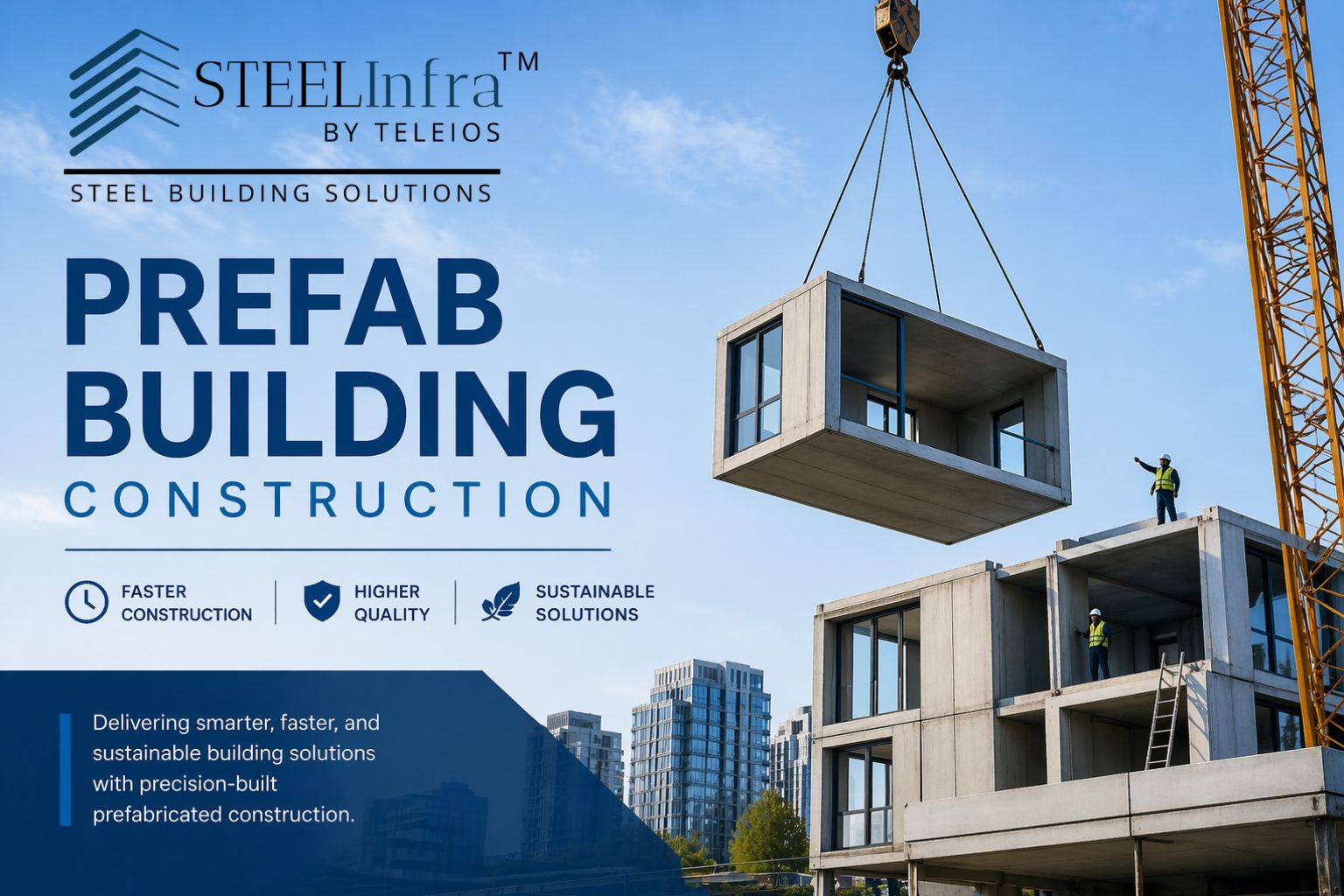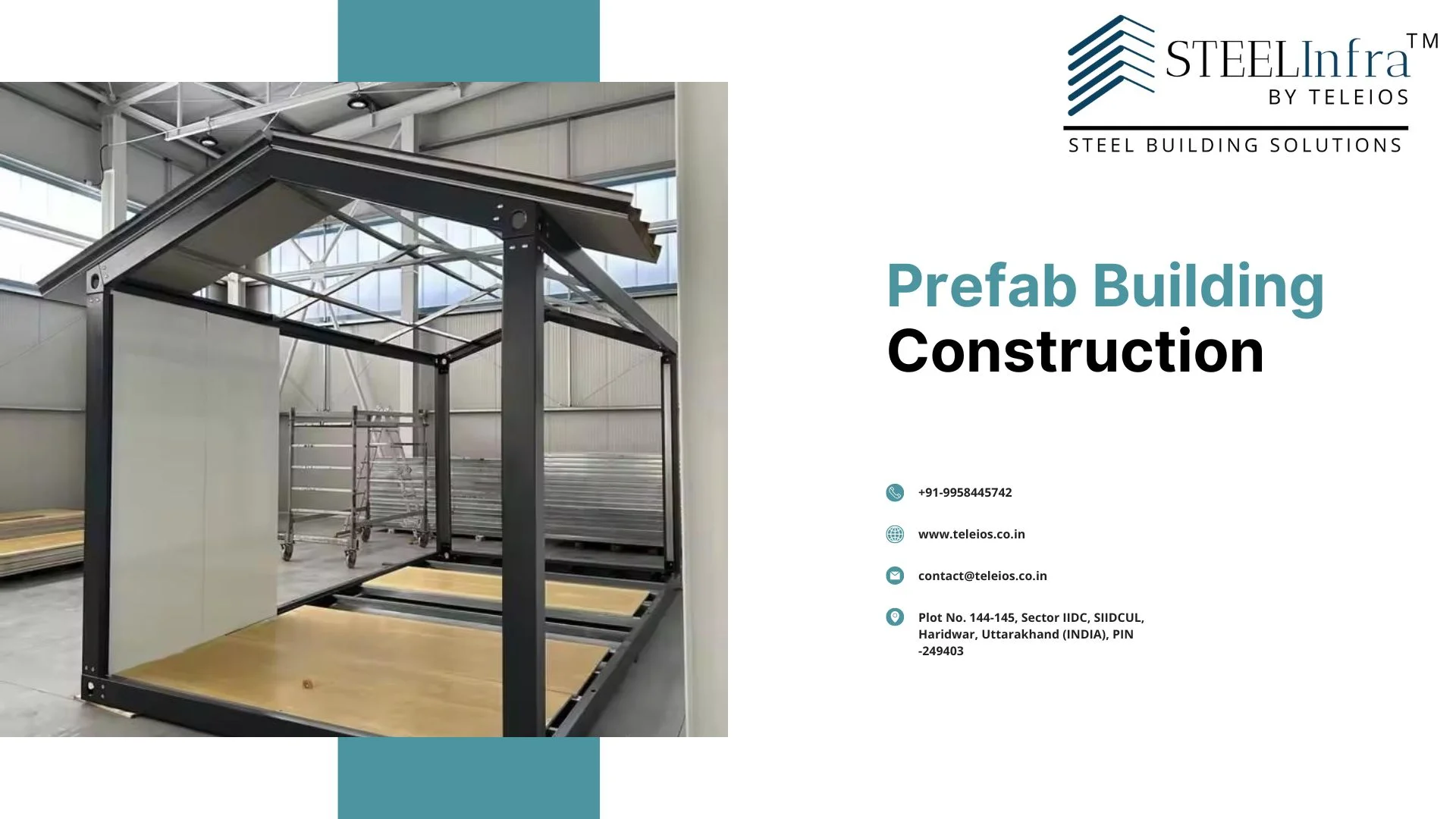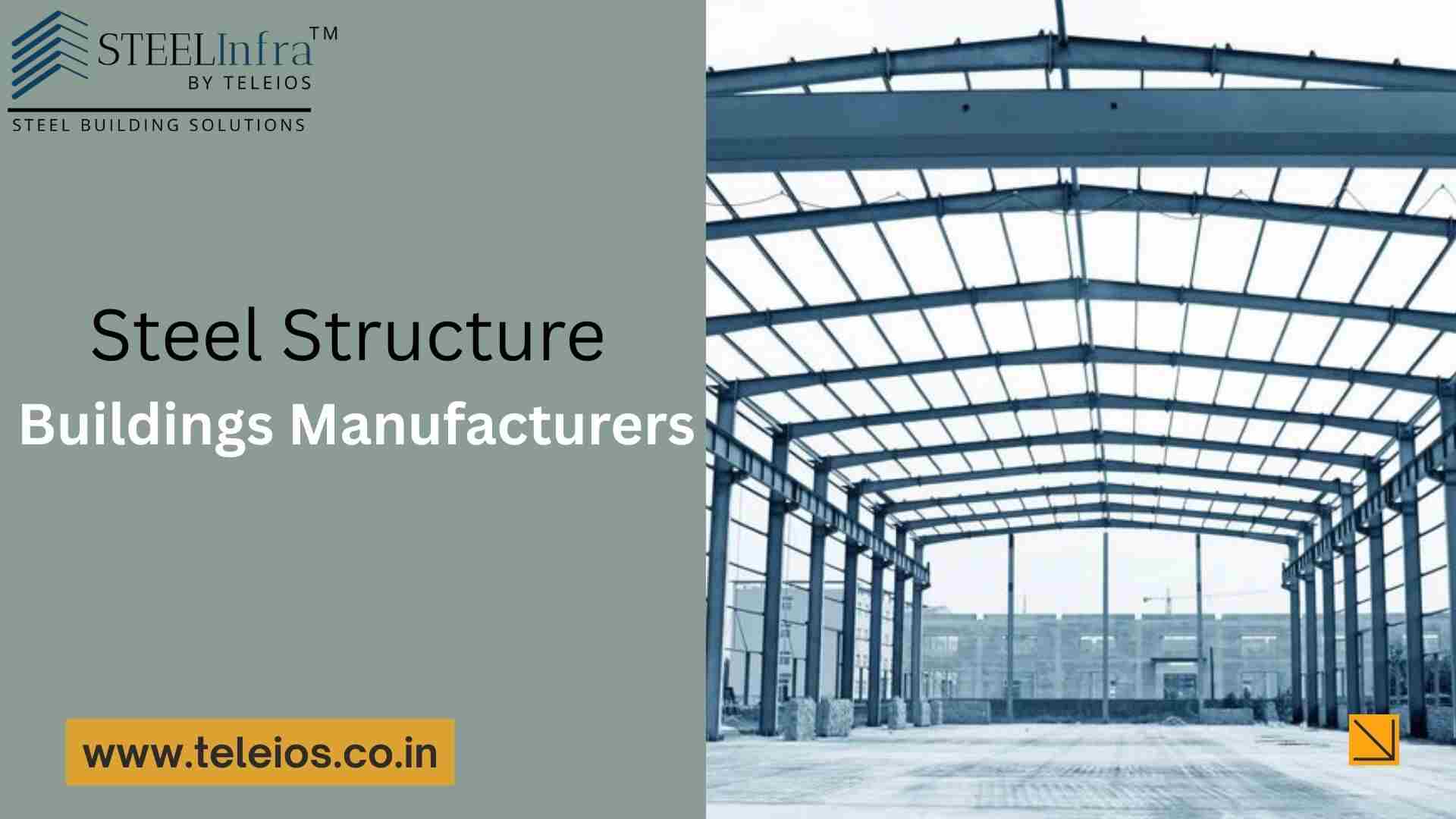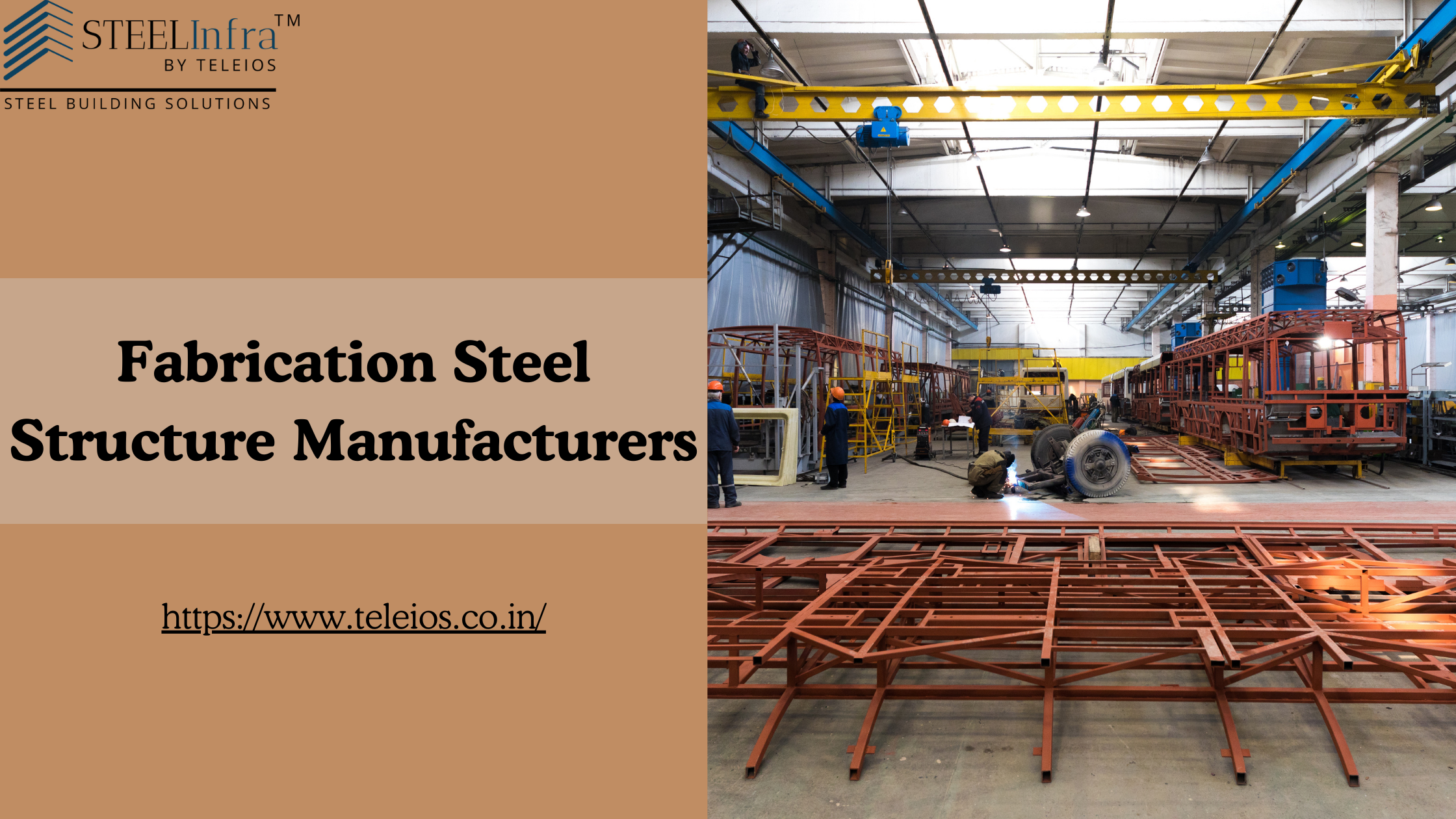

Ever since prefabricated buildings have been made, countless industries have benefited from it. It accelerates the project while maintaining precision in each part and every stage. The role of steel is integral to these structures. It forms the framework and finishes the building. However, steel has many types, and each type has its own significance in the process of pre-engineered buildings.
When sourcing the raw materials for the project, the prefabricated structures manufacturers evaluate the building’s purpose, load requirements, environmental conditions, and budget. Their sourcing depends on all these factors.
Hot Rolled Steel
This is the most popular type of steel used by prefabricated structures manufacturers.
Primary Framing Material
The main framework of any prefabricated steel structure is made by hot rolled steel frames. It consists of tapered I sections, columns and rafters. The plates are cut, welded and assembled to form the primary frame of the building structure. The dimensions are according to the load analysis. These members are usually shot blasted to the respective standard and coated with epoxy or PU-based primers.
Advantages
The key advantage of hot-rolled steel is that it has high yield strength and offers precision in fabrication, ease of assembly. It responds well to surface treatments needed for corrosion resistance.
Cold-Formed Steel
The C and Z purlins, eaves and struts are the supporting structural components made of cold-formed steel. They are galvanized steel sheets with corrosion resistance. Their thickness generally ranges from 1.5 mm to 3 mm, depending on design loads. This type of steel is used because it is lightweight and has proven to save costs.
Sandwich Panels
These are insulated walls and systems where thermal stability is required. They consist of two metal sheets with an insulating core such as polyurethane (PUF), expanded polystyrene (EPS), or mineral wool.
Key Features
They offer thermal insulation, better acoustics and improved finish to the structure. They are commonly used in industrial sheds and cold storage units.
Metal Sheets and Cladding
They form the roof and wall covers. Roof and wall coverings are made from pre-painted galvanized iron or aluminium sheets. These materials protect the interiors from weather conditions. They are coated or painted to enhance durability. Trapezoidal, corrugated, standing seam roofing and ribbed sheets are commonly shaped for water drainage and structural stiffness. Their typical base metal thickness ranges from 0.4 mm to 0.6 mm.
Fasteners and Connectors
Fasteners hold the entire structure together. High-strength bolts connect primary steel members, ensuring stability under heavy loads. Self-drilling screws with EPDM washers fix roofing and cladding sheets while preventing water leakage. Anchor bolts secure the steel frame to the foundation, maintaining overall structural integrity.
Protective Coatings and Finishes
Epoxy primers, polyurethane topcoats, and hot-dip galvanization processes are applied by the prefabricated structures manufacturers to give the members of the PEB the necessary protection and aesthetic look.
Corrosion and Weather Protection
These finishes protect steel components from corrosion, moisture, and environmental damage. They are particularly important for high-rise buildings and industrial sheds.
Other Functional Components
- Steel or aluminium sliding doors
- Rolling Shutters
- Windows
- Ridge Ventilators
- Turbo Ventilators
Conclusion
These are some of the standard components and materials used by the prefabricated structures manufacturers. Apart from these, concrete is used to form the foundation and higher floors. In every PEB project, an expert manufacturer, like Teleios Enviro, uses materials with clear intent rather than convenience. A well-designed PEB structure works as a coordinated system where every material has a defined role. This coordination, planning and astute material selection is what enables speedy construction and dependable building.