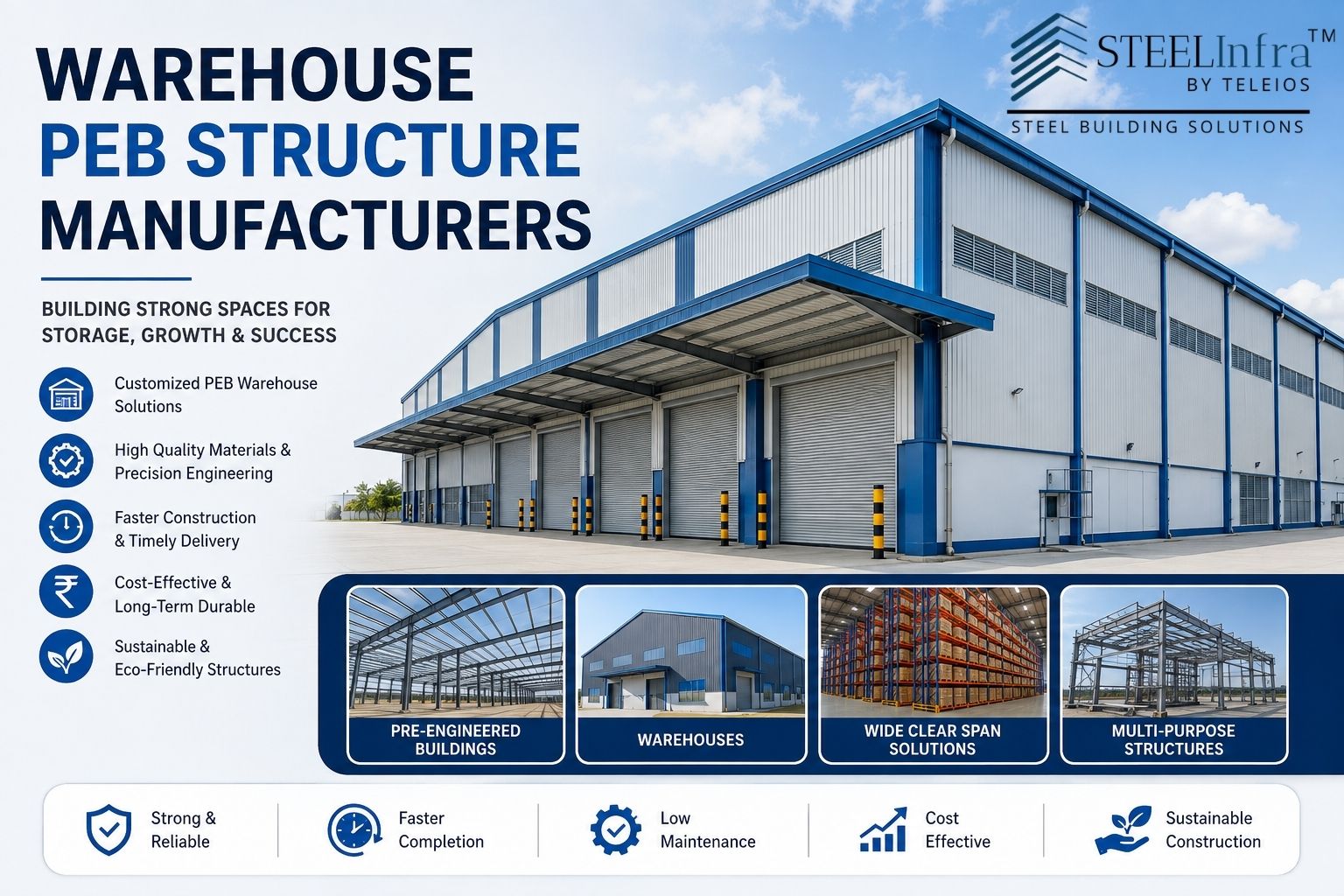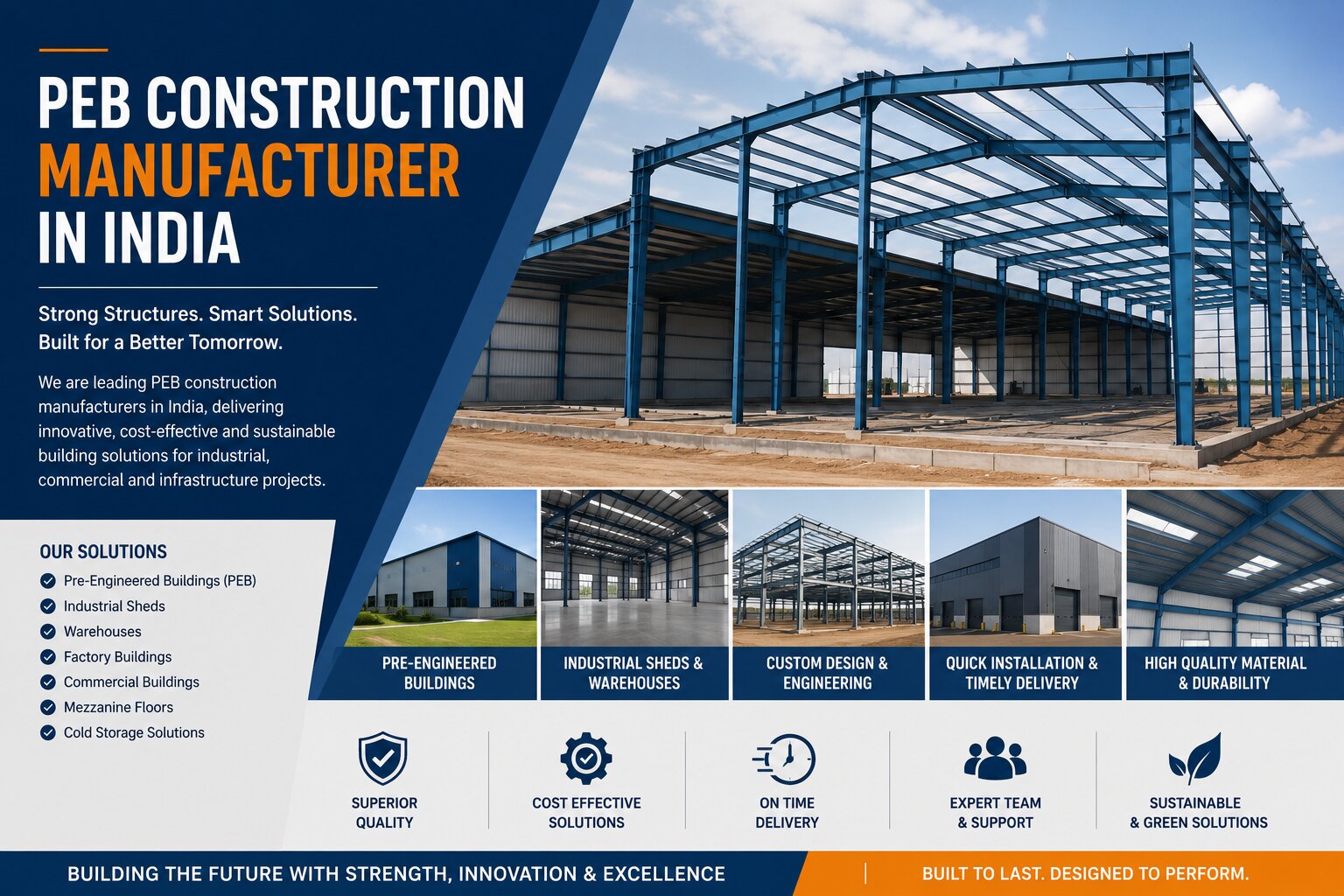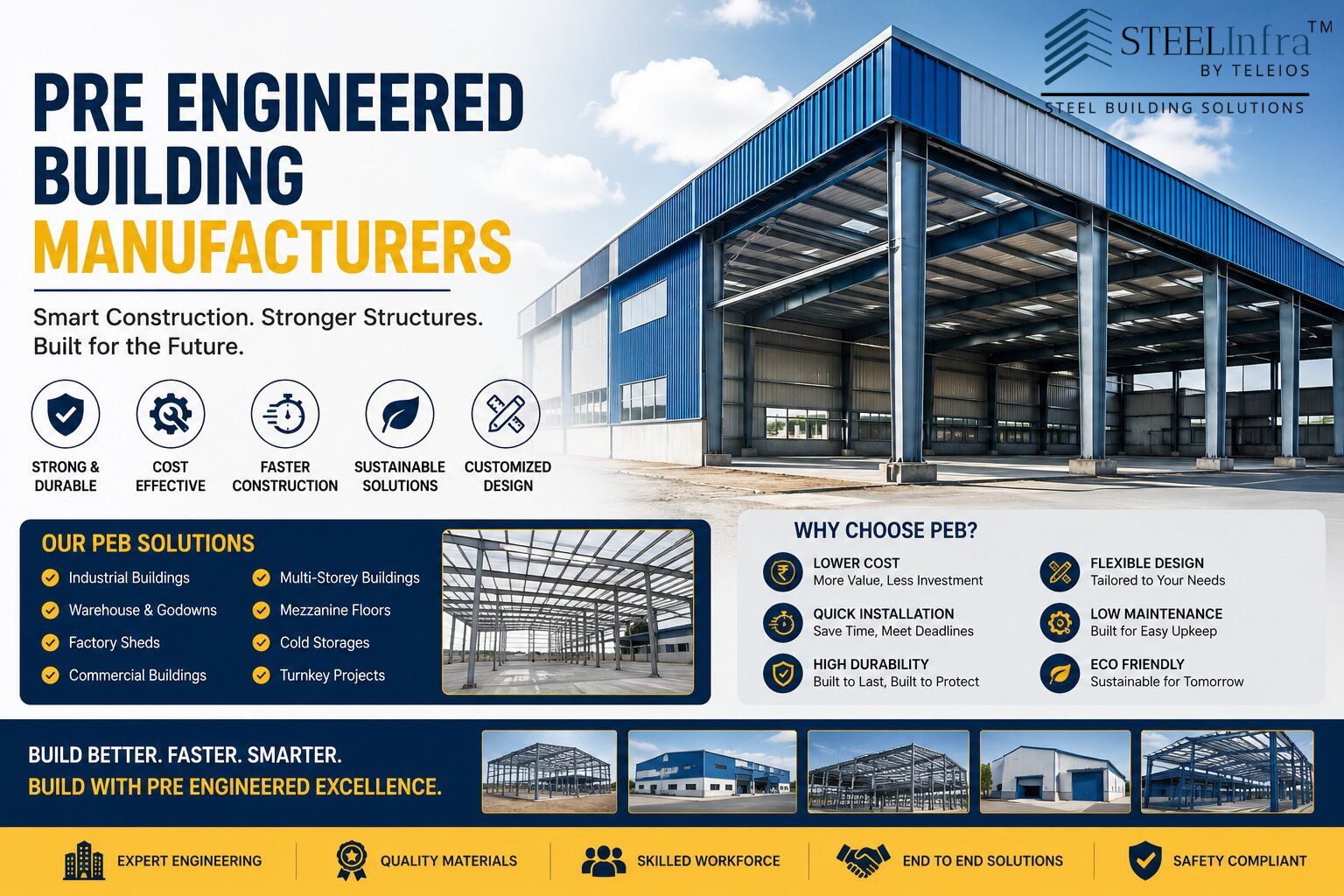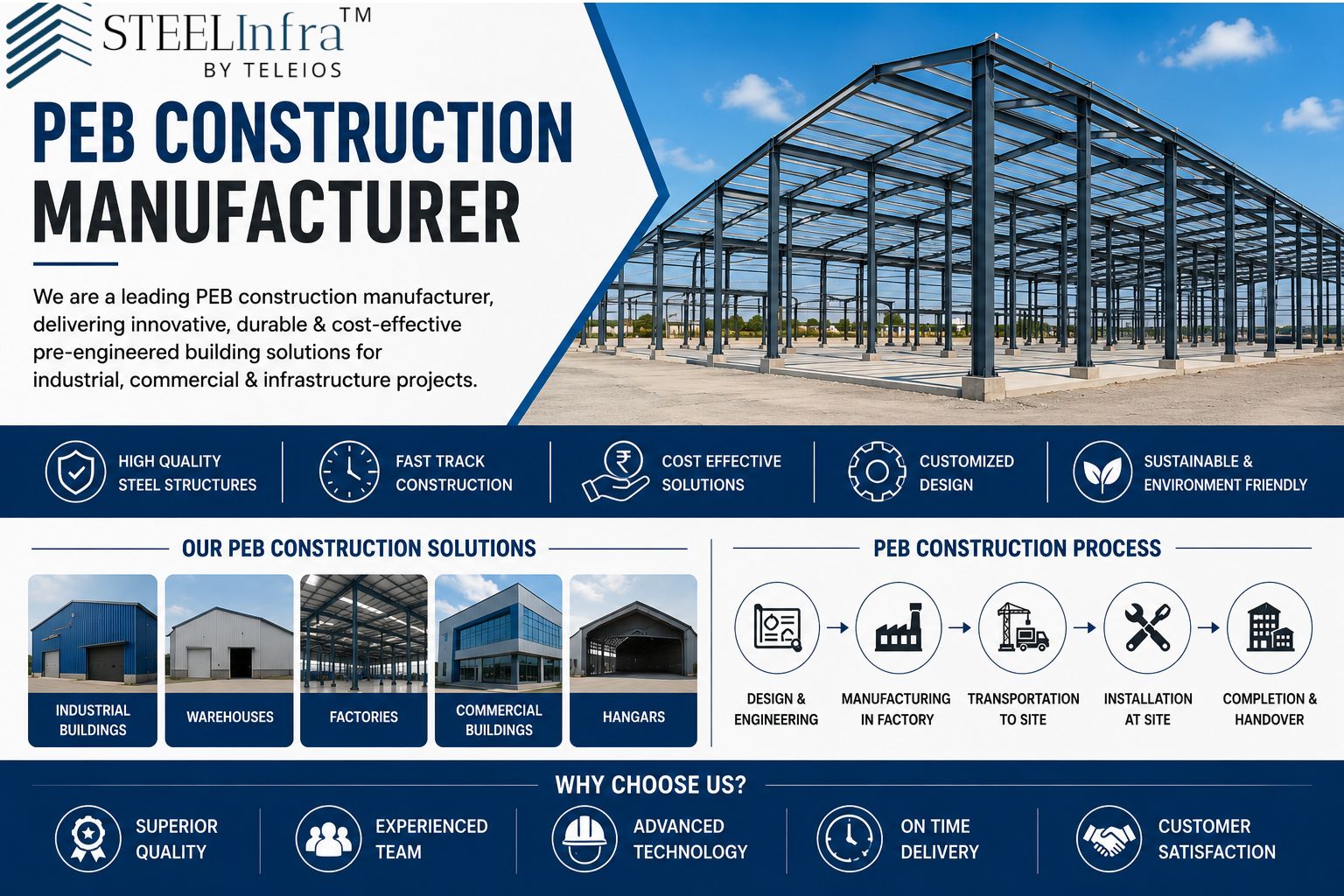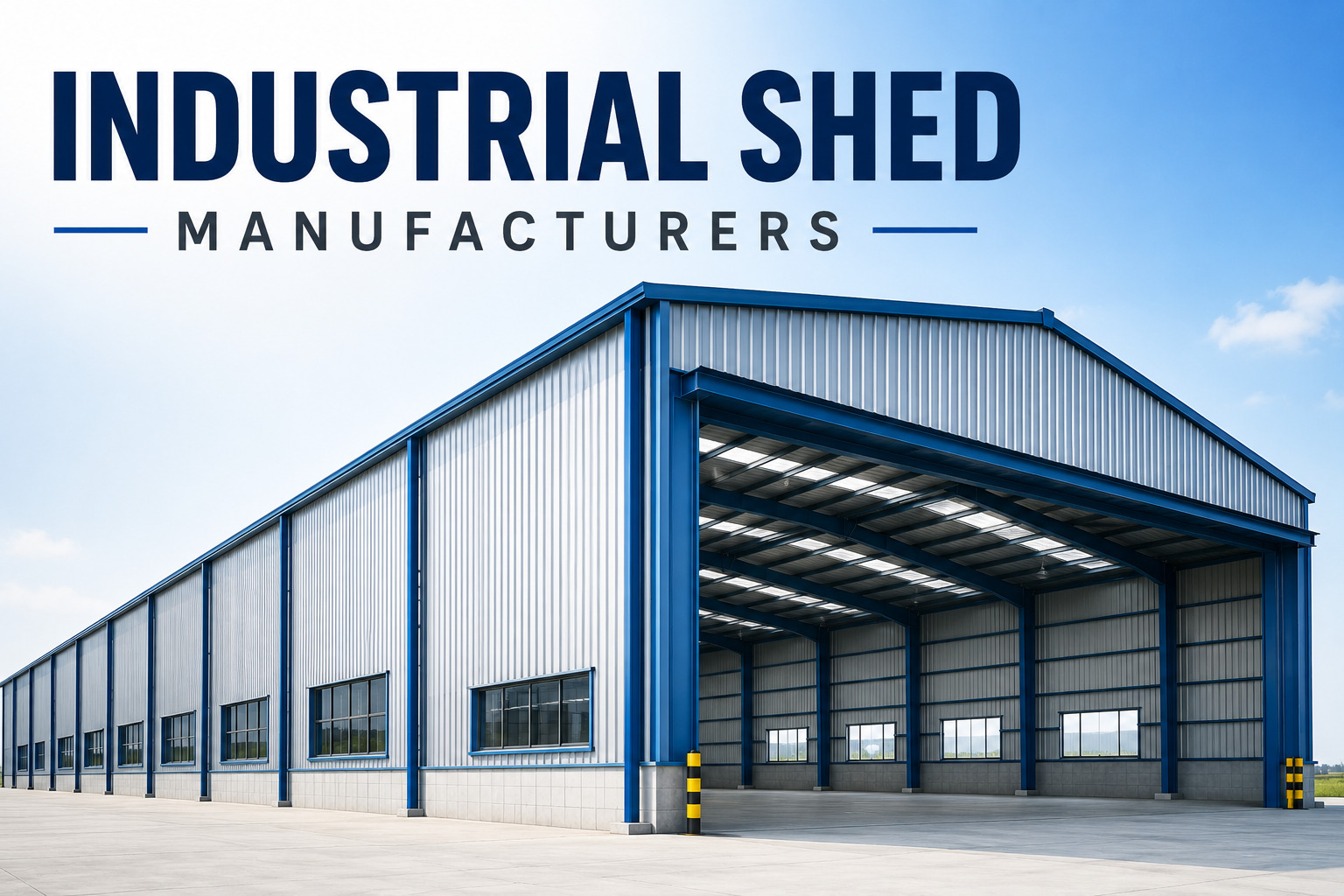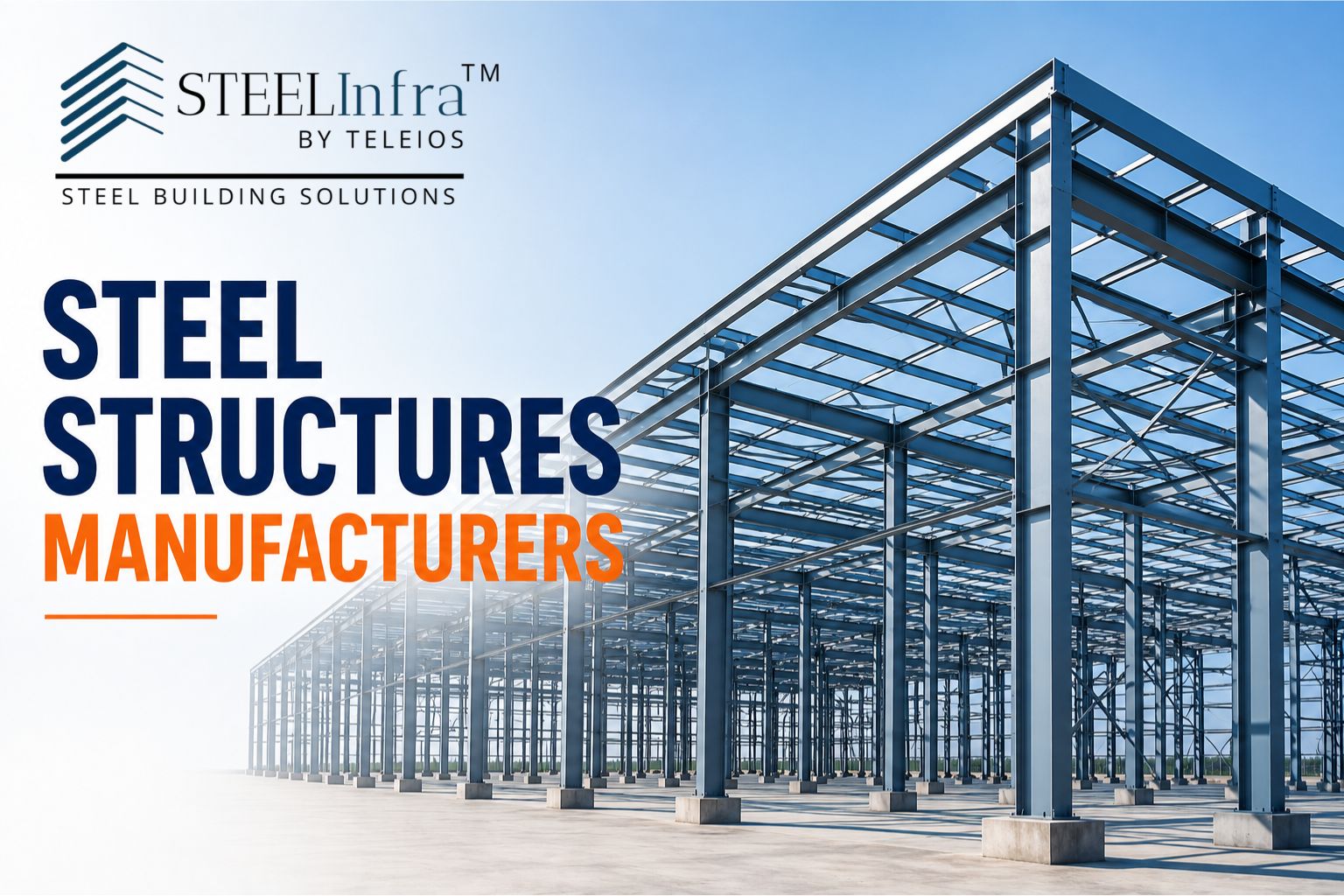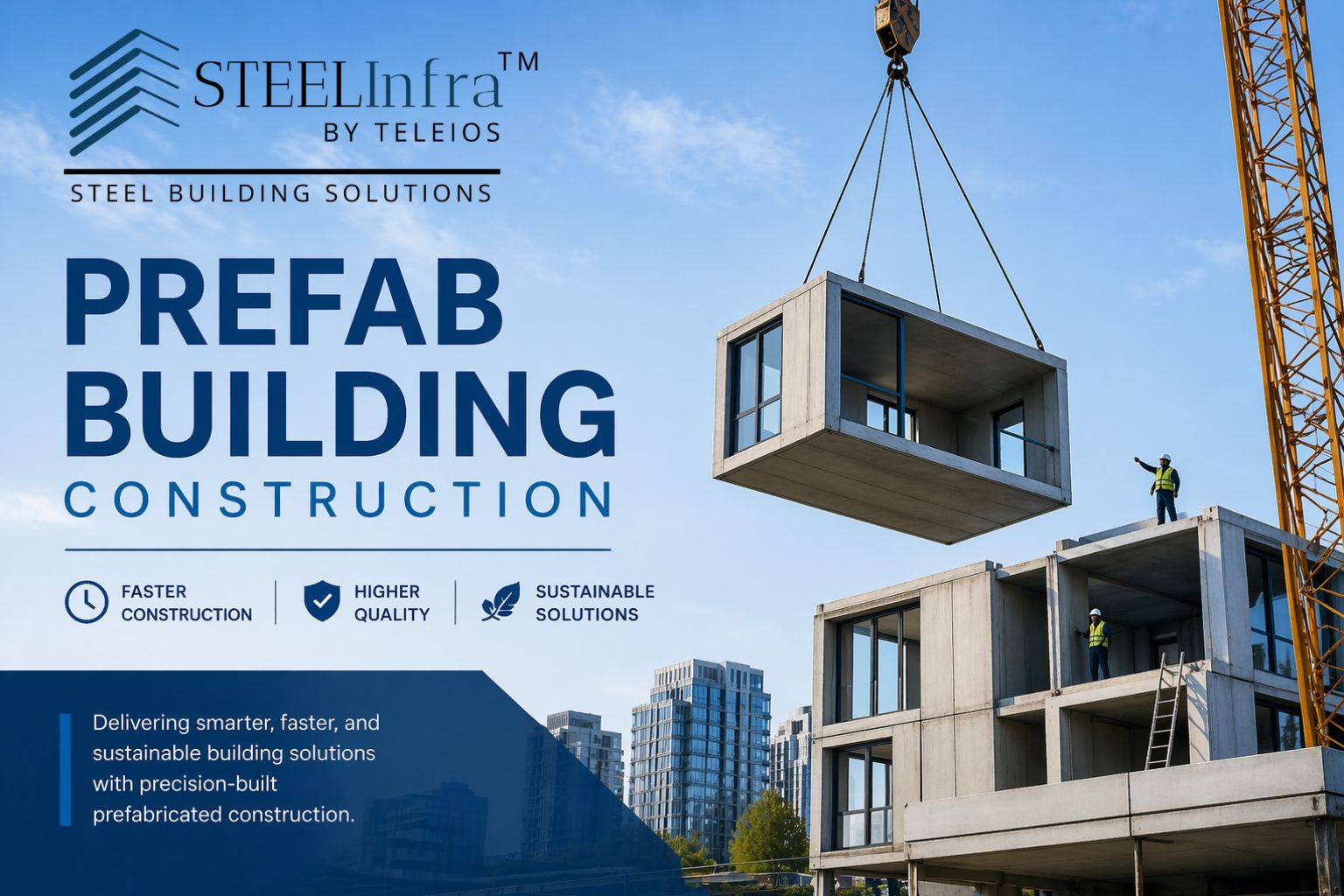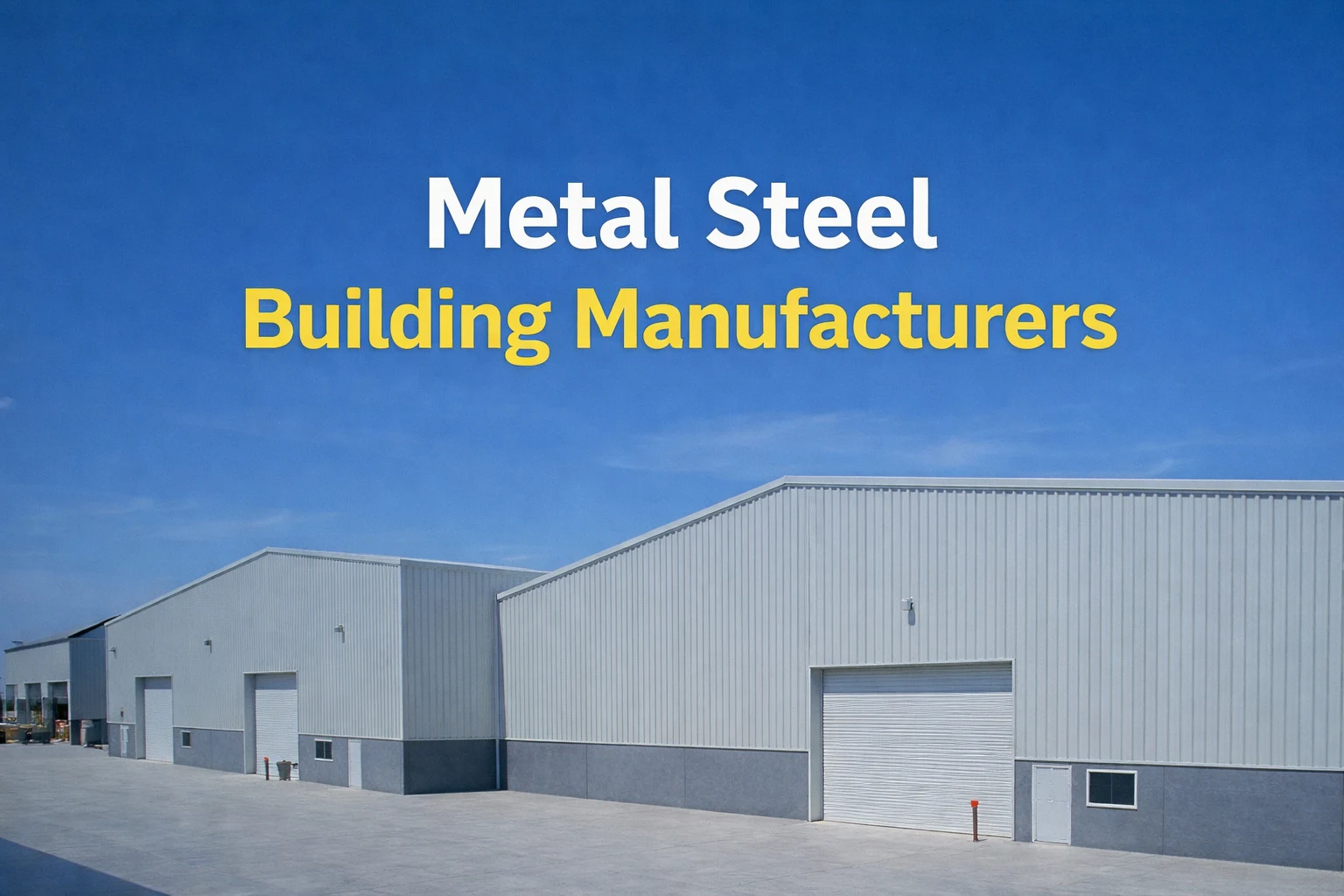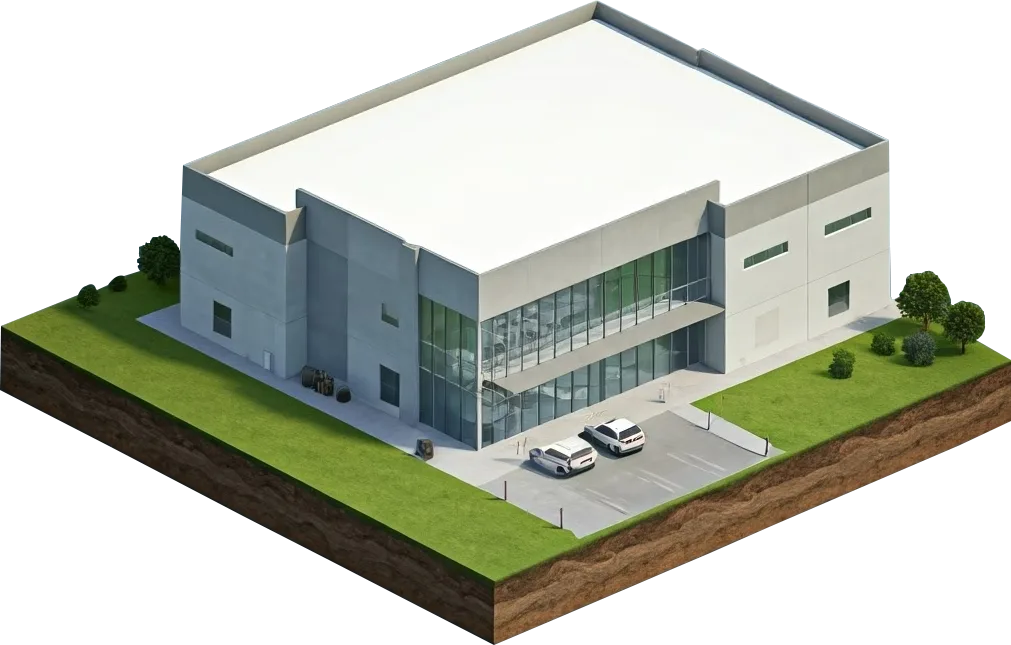
Constructing the first warehouse is certainly one of the biggest investments. The decisions that you make while planning will help define the warehouse construction cost, and how many products could be stored there, as well as how the building will influence subsequent operations and further expansion in years to come. A properly designed warehouse should reflect the principles of your company’s storing, moving, and handling goods. Whether you are building a logistics facility, manufacturing warehouse, distribution centre, or any type of storage building, avoiding common planning errors will allow you to build a more cost-effective facility.
Choosing a Site Based Only on Land Cost
Selecting a less expensive site may seem appealing, but poor accessibility may lead to higher operating costs in the long run. Before choosing a site, you need to take into account the availability of roads, access for heavy trucks, utilities, drainage systems, parking areas, loading bays, and distance from suppliers or clients.
Look Beyond the Purchase Price
The site must not only accommodate current operations but also allow ample space for vehicles to maneuver and for possible future expansion. Different local building codes and infrastructure should also be taken into consideration before starting the construction.
Designing Without Defining Storage Requirements
Building the warehouse starts with a clear overview of the features it needs to function properly. The types of goods, quantities of stock, various racks, material-handling equipment, loading spots, and travel routes can lead to changes in the building’s design.
Plan the Layout With the Building
A warehouse can comprise more than just the area for storing goods. It requires aisles, loading and unloading areas, shipping zones, equipment movement, offices, and traffic routes for the layout. The size of the building should be adjusted to these requirements rather than customized after warehouse construction.
Choosing the Cheapest Construction Option
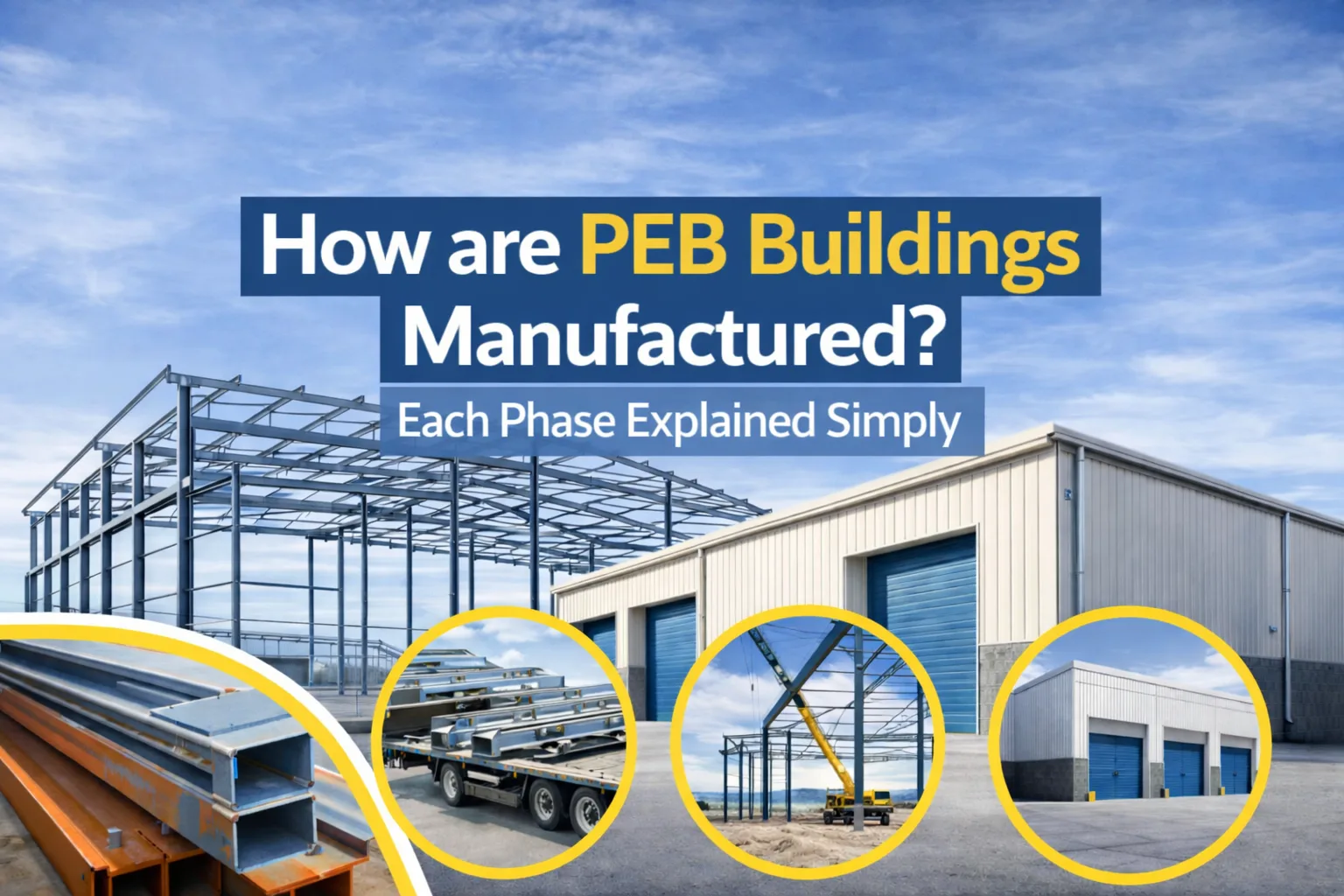
While initial costs do matter, they are not the only thing to think about when choosing a construction system. A low bid does not necessarily mean that the flexibility, time of construction, reliability, or compatibility that the company needs are provided. Pre-engineered buildings are widely used in warehousing because parts can be produced while work on the foundation is going on. This can make the whole construction period shorter and speed up project completion.
Consider Long-Term Value
When comparing options, it is necessary to take into account not only the investment required initially but also construction duration, upkeep, possible future changes, space efficiency, and predicted lifespan.
Forgetting Future Expansion
Business needs tend to be dynamic in nature. You could see an increase in your inventory, a need for new products to be added to your existing line, or a requirement for additional distribution systems.
Leave Room for Growth
The way the property will be laid out, building configurations, entry points, utility arrangements, and construction arrangements can have an impact on how easily the building can be expanded.
Conclusion
Effective warehouse construction is largely determined by the decisions reached long before the first unit is put in place. Site selection, storage needs, building process, operational workflow, and future plans should all be part of the first planning phase. Efficient planning should prevent the need for redesigns, delays and modifications once construction has begun.
STEELInfra by Teleios provides customized warehouse building solutions, supporting projects from concept and engineering through fabrication and project management.