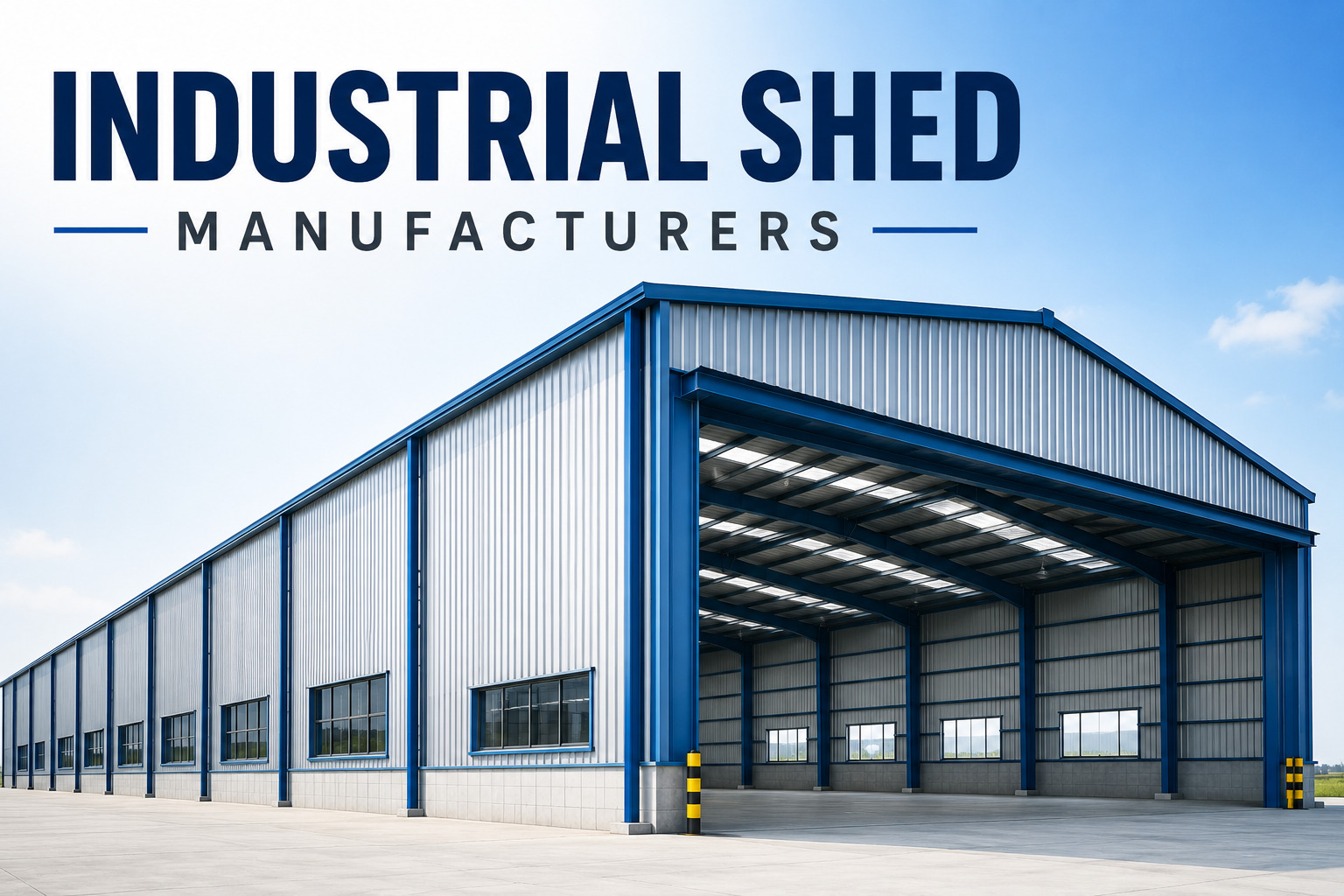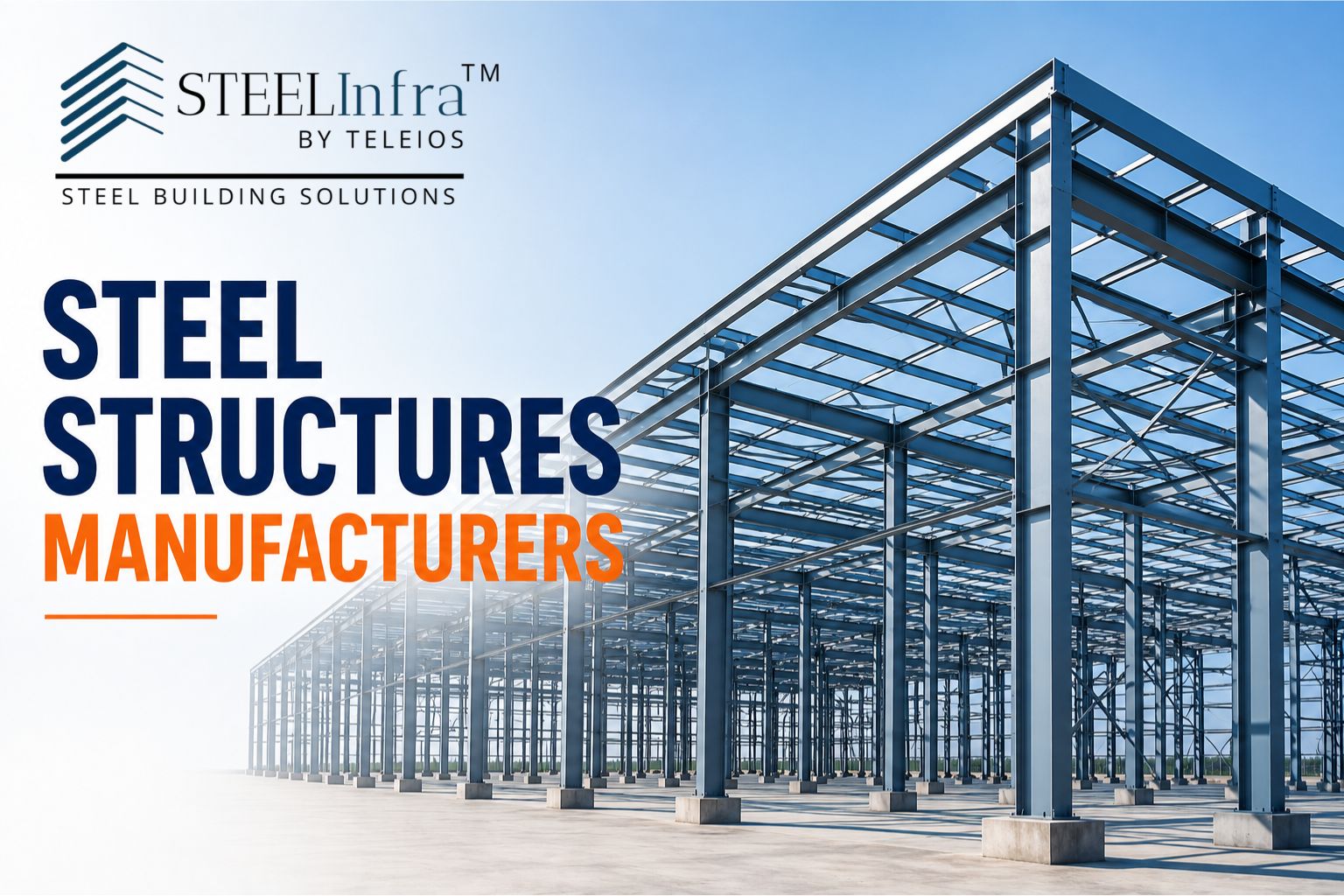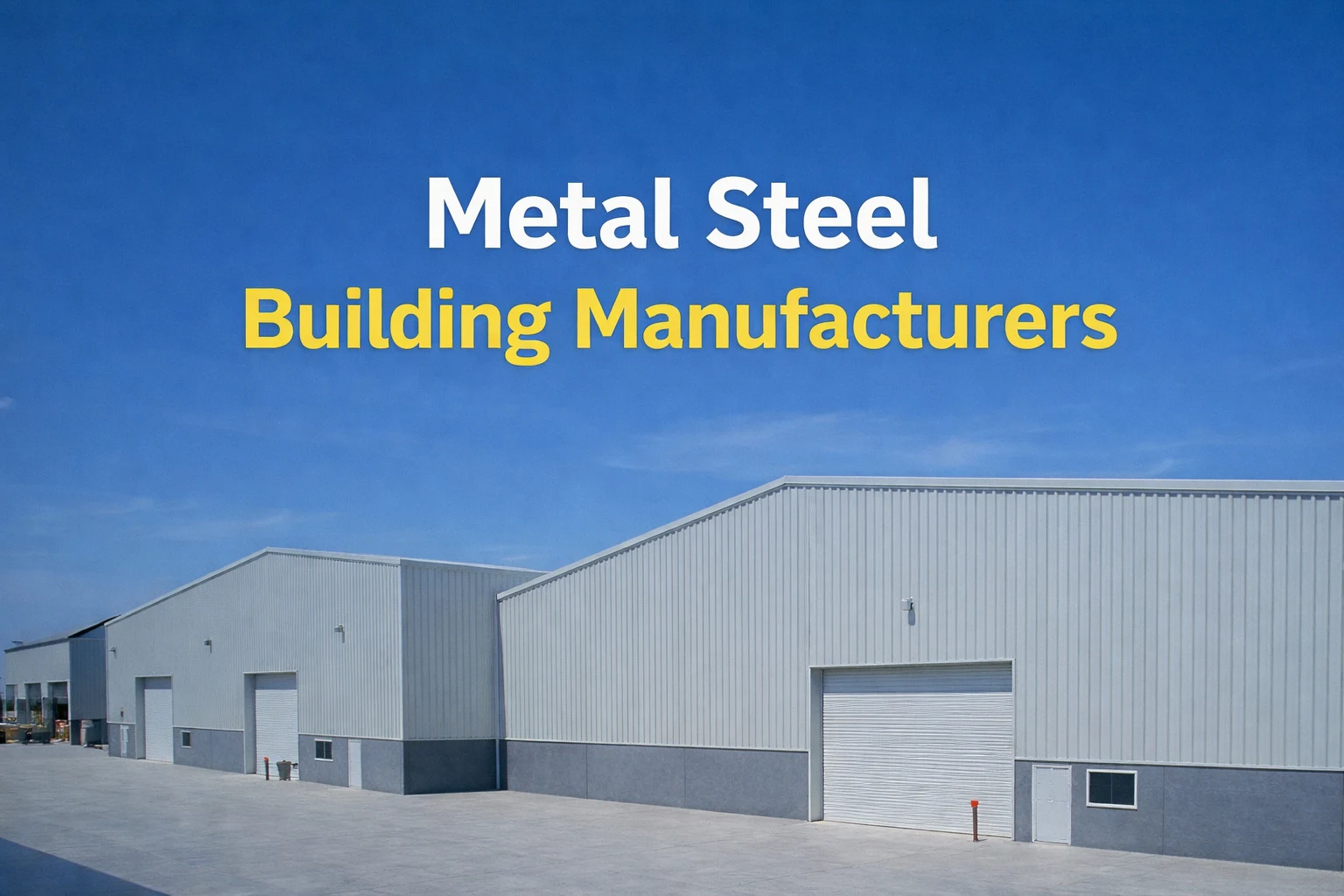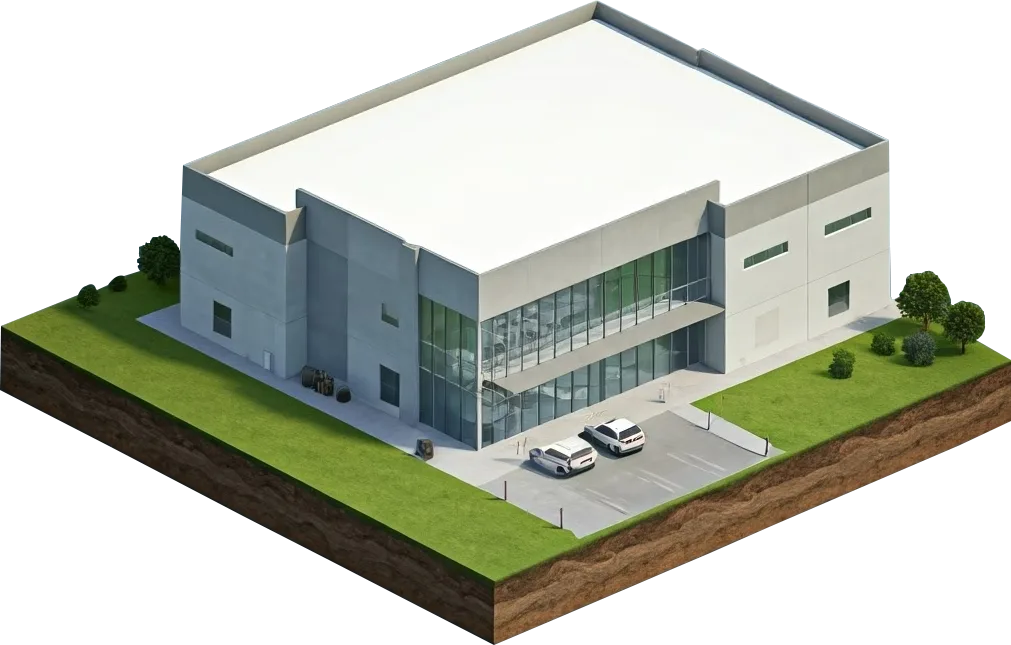
The design of pre-engineered buildings ensures that they perform well under different weather conditions. In creating these pre-engineered buildings, a PEB construction manufacturer selects the right frames, roofing systems, connections, insulation, and protective coatings according to the weather conditions of the location. Climate is one of the main criteria to take into account when it comes to building construction. Hot summer, heavy rain, or wind can present a range of challenges depending on the actual location. An effective PEB design can allow for these conditions from the very start, allowing the building to perform efficiently throughout the whole year.
Performance During Different Climates
Hot and Dry
The impact of heat on the inside of the building can be a serious problem. By effectively using insulation, PEB buildings can reduce the heat coming from the roof and walls. Also, proper use of reflective materials for roofing and correct orientation of the building can further improve the internal conditions in the building and minimize energy costs.
Too Cold
The construction of buildings is challenged in cold areas, as it requires construction materials that can resist cold temperatures and snow accumulation in some regions. A properly designed structure can hold up its expected load. Insulated panels can prevent heat loss and keep the required temperature inside the building.
Heavy Rainfall
Heavy rains can lead to the disturbance of the roofing and drainage systems. A PEB construction manufacturer considers several parameters while designing the building, such as the rain intensity, roof angle, drainage ability, and waterproofing requirements. Well-designed gutters, downpipes, joints, and flashing will help to control the rainwater and avoid leakages. Good drainage is essential to keep the water away from the building and its foundation. The significance of this practice becomes greater in areas with a large amount of rain.
Strong Winds
Strong winds often exert great pressure on the roofs and walls of structures. While designing the structure, engineers pay attention to the local wind load. They design components such as columns, rafters, bracing systems, and fasteners to ensure the safe distribution of wind load on the structure. The impact of wind on a building is also influenced by its height, shape, and the openings in it.
Protection Against Corrosion and Moisture
Corrosion is promoted by moisture and humidity, and it occurs more intensively in coastal locations. Corrosion of steel elements can be prevented by using proper surface treatment, appropriate primers, and coatings. In addition, regular inspections should be carried out. Any signs of damage to coatings, loose fasteners, accumulation of water and similar problems should be fixed in time to ensure efficient operation of the building.
Importance of Proper Engineering
Material choice, structure calculations, connection design, bracing, roofing, drainage, and foundation work must cooperate. Proper engineering guarantees that the structure is ready for the climate conditions that it should endure. The expertise of a PEB construction manufacturer can play an important role here. If a PEB company builds a project taking into account the area and purpose of construction, it will be able to face the weather challenges more easily. Quality engineering also allows minimizing the use of materials and ensures the required strength of the construction.
Conclusion
PEB constructions can work effectively in hot and cold as well as rainy and windy weather conditions as long as they are designed and constructed properly. Cooperation with a good PEB construction manufacturer provides the opportunity to make a decision about the right materials, coatings, insulation, drainage systems, and construction suitable for the project. At SteelInfra By Teleios, we have a huge experience in constructing buildings that can withstand extreme weather conditions.