Air pollution is a major concern across many cities in India. Among the various reasons behind poor air quality, construction activities are one of them. Dust from these activities is of a tiny size, small enough to rise up in the air and pollute it. Besides dust, it is quite a resource-intensive practice when concrete is the key material used, since it consumes a lot of water and natural resources. It demands that the construction industry act upon the challenges and hazardous effects of conventional construction.
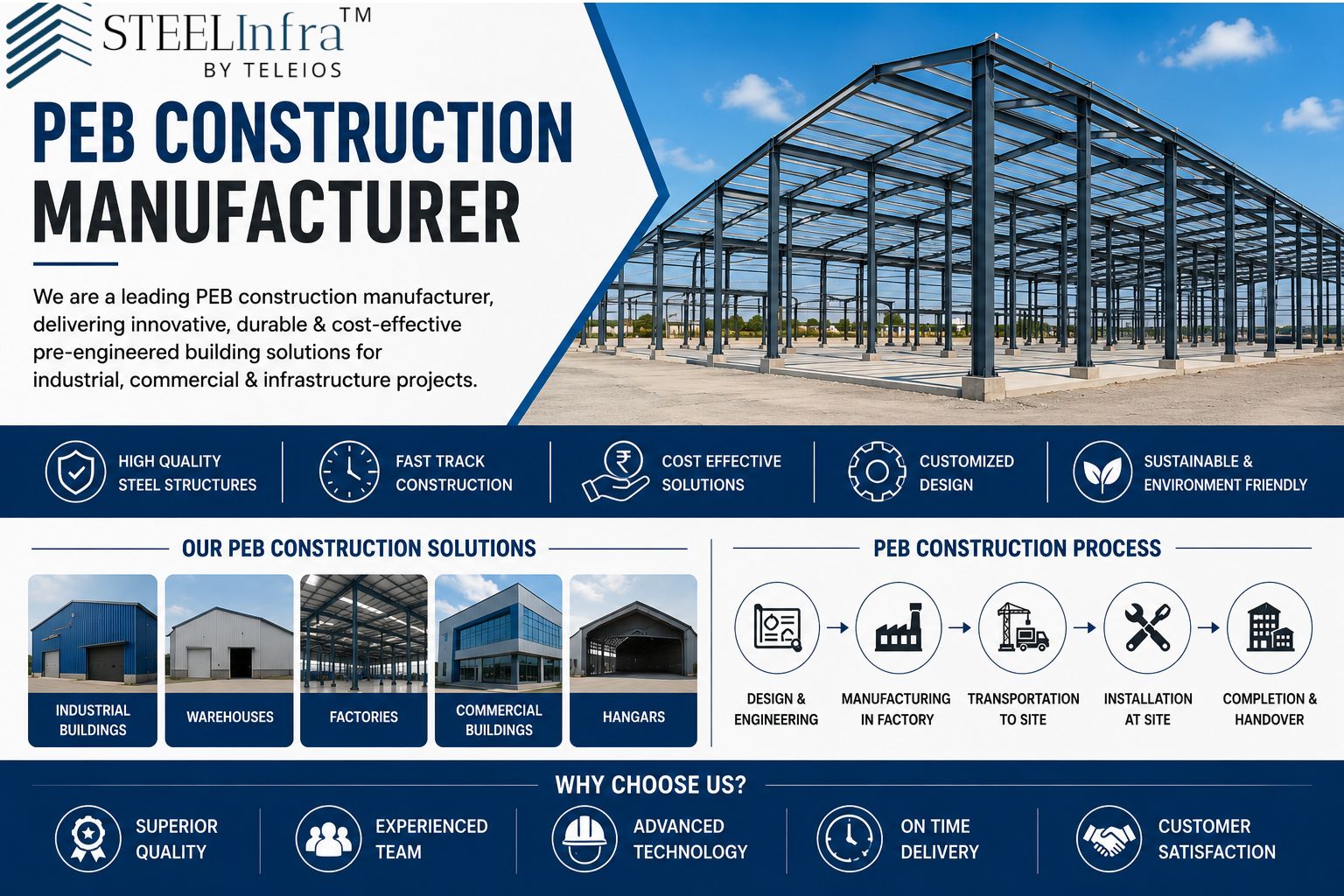
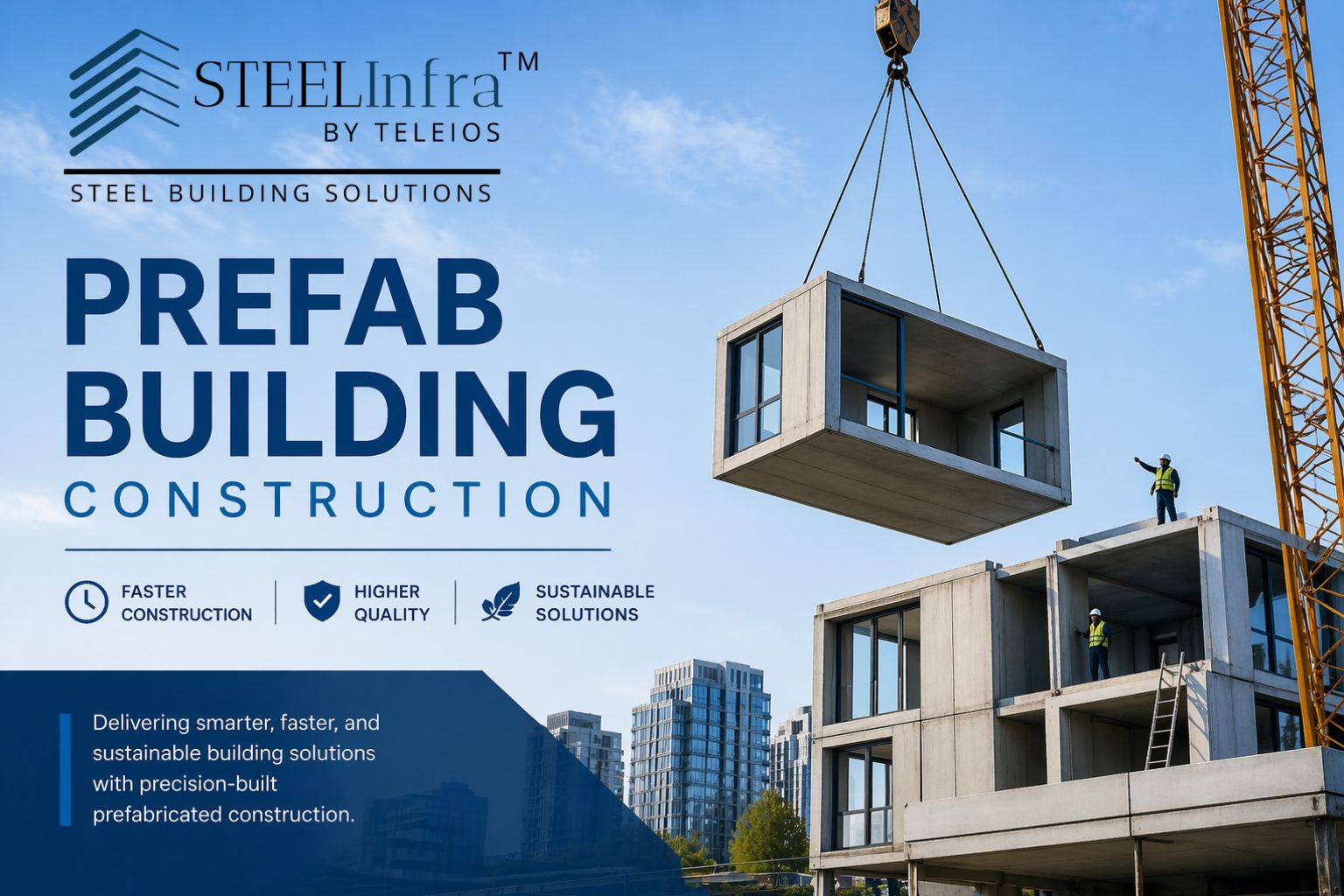
Thankfully, there already exists a solution for these issues, and that is, prefab building construction. It is a proven method that is widely being adopted by businesses to open their offices, industrial sheds, warehouses and infrastructures.
What Is Prefab Building?
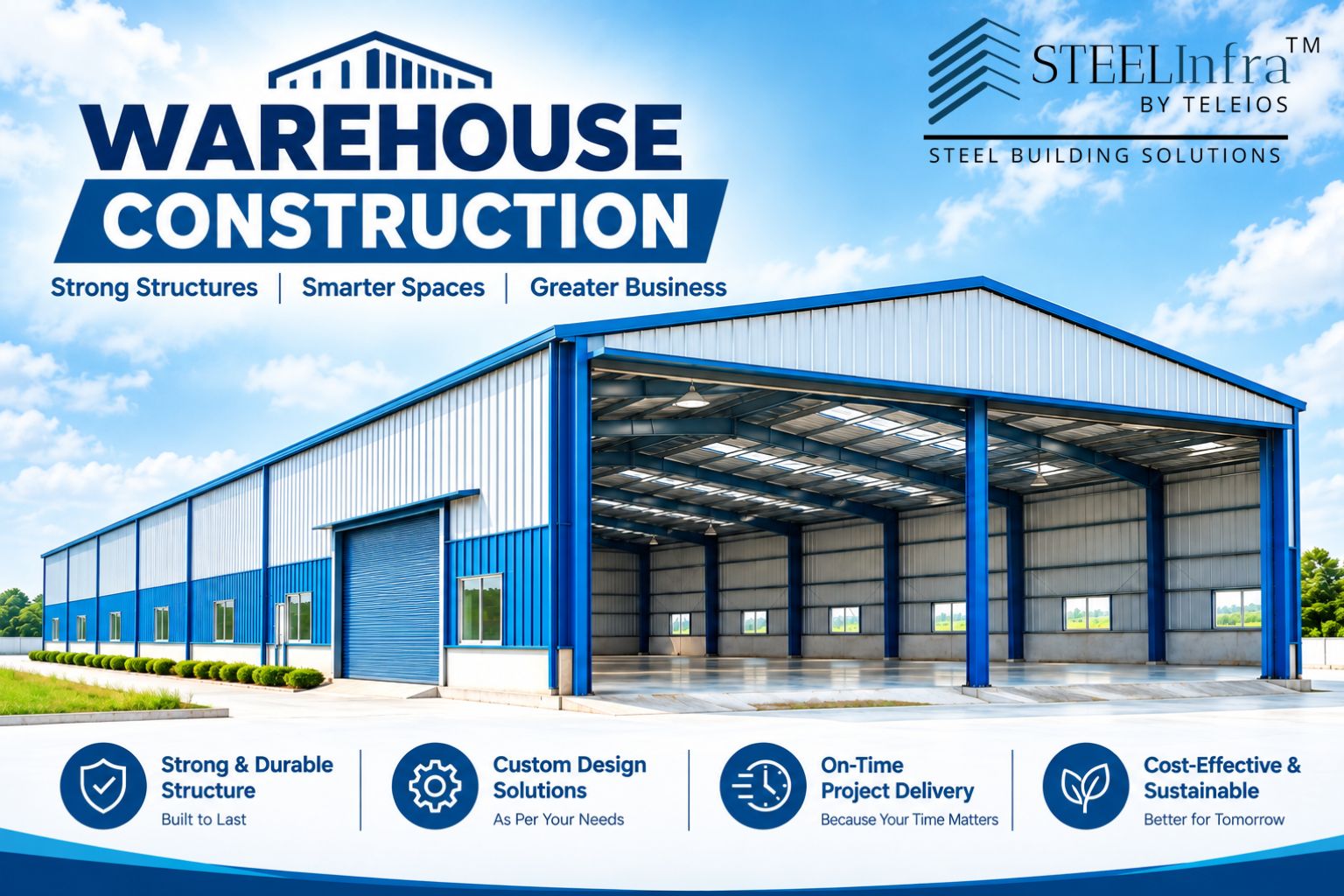
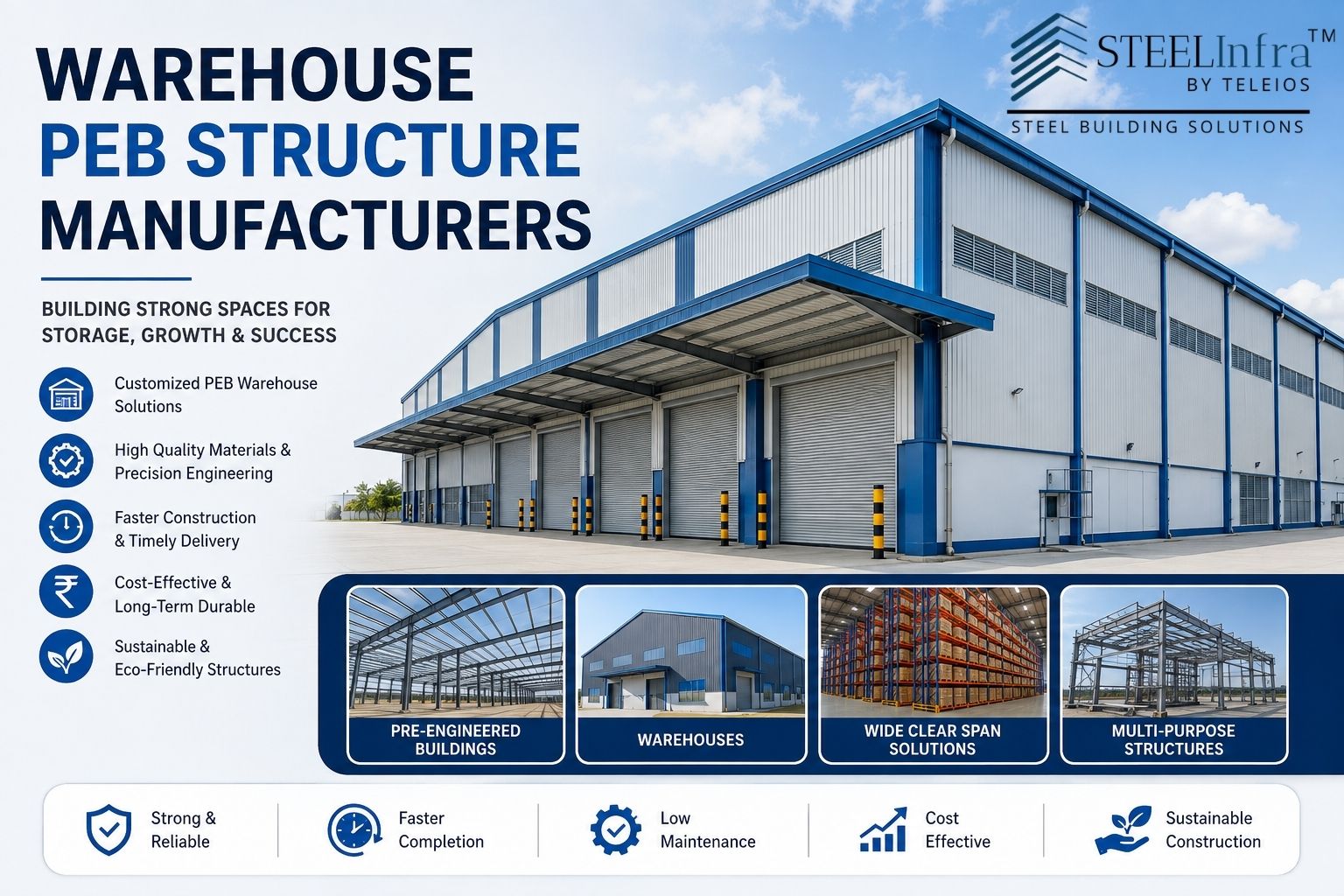
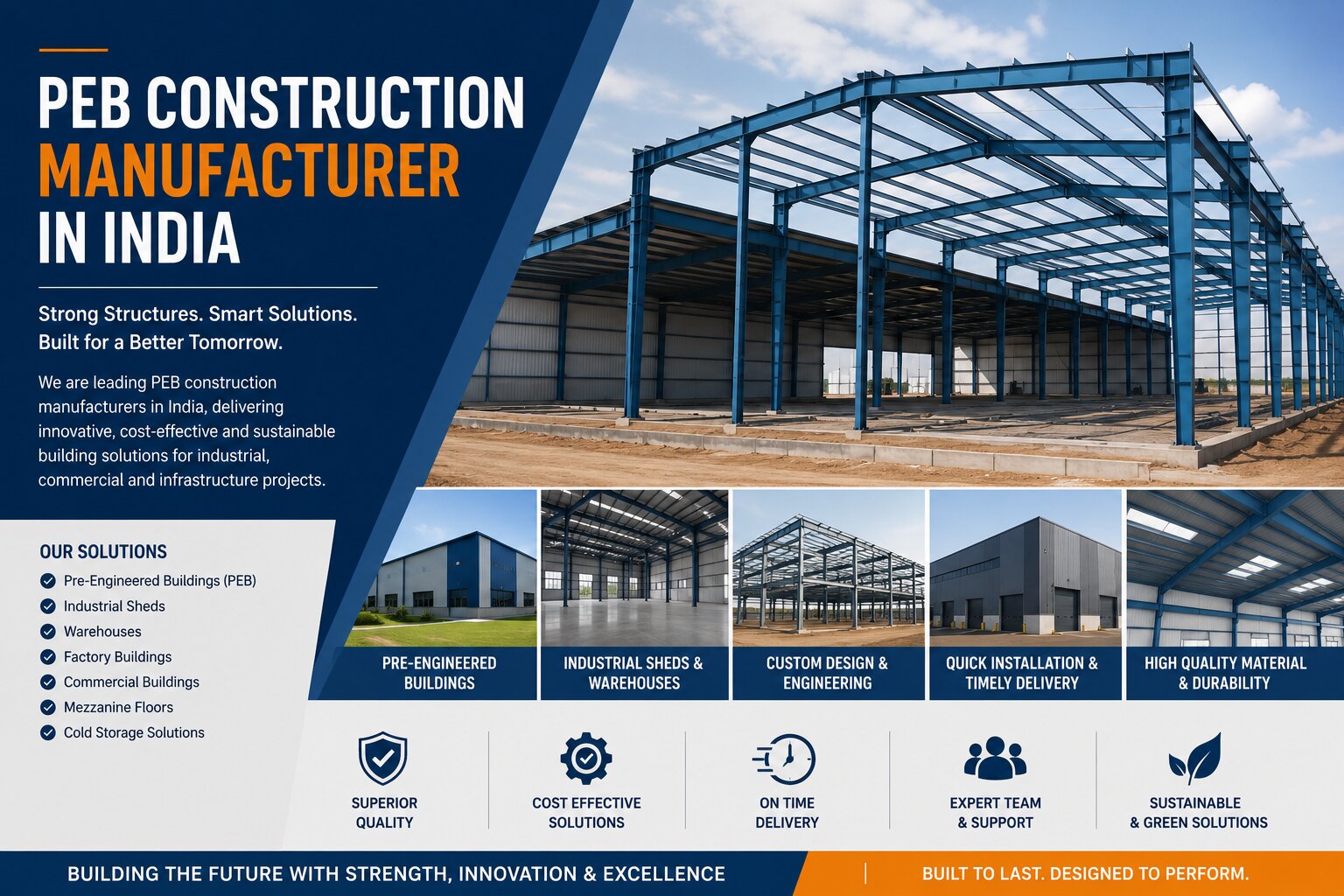
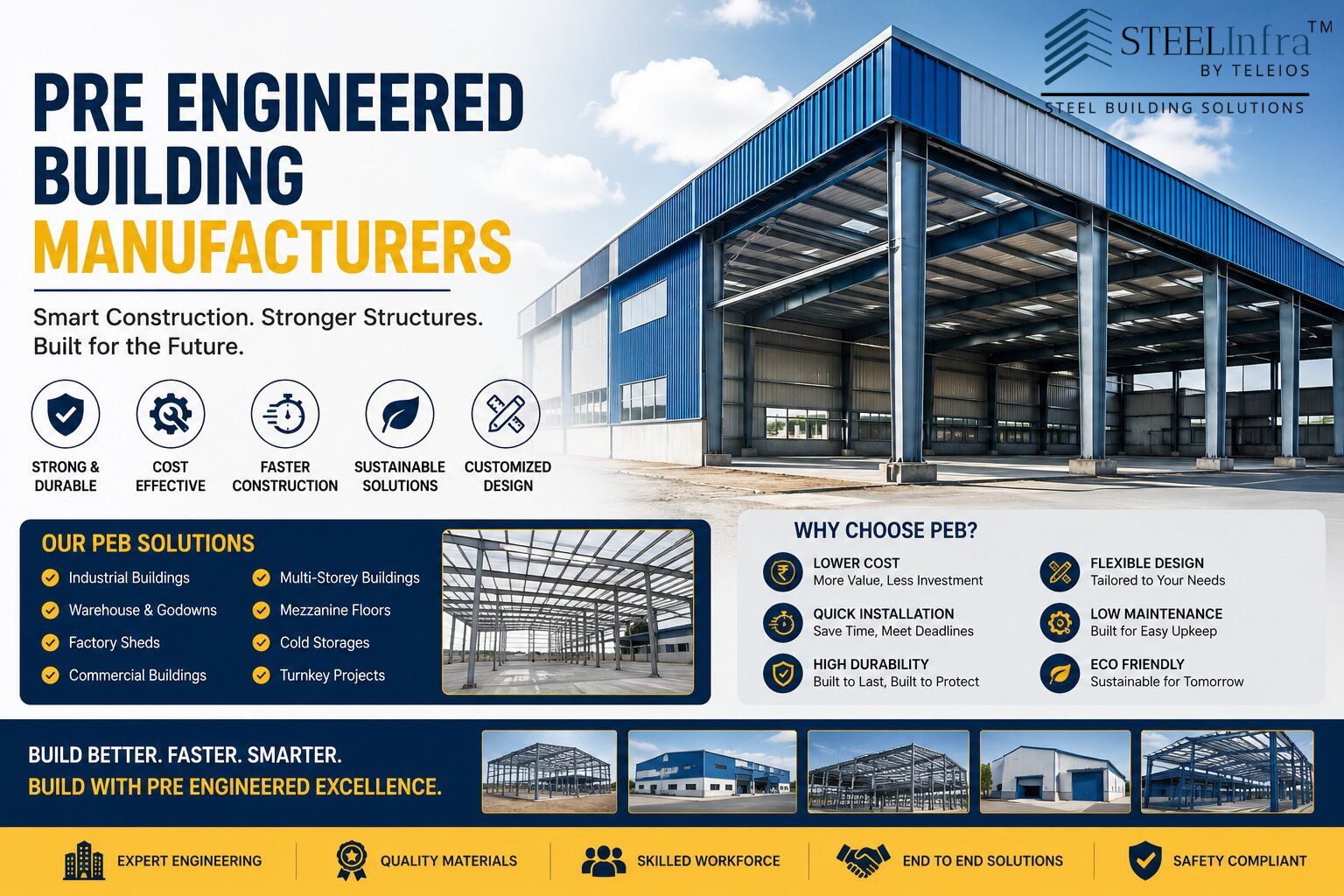
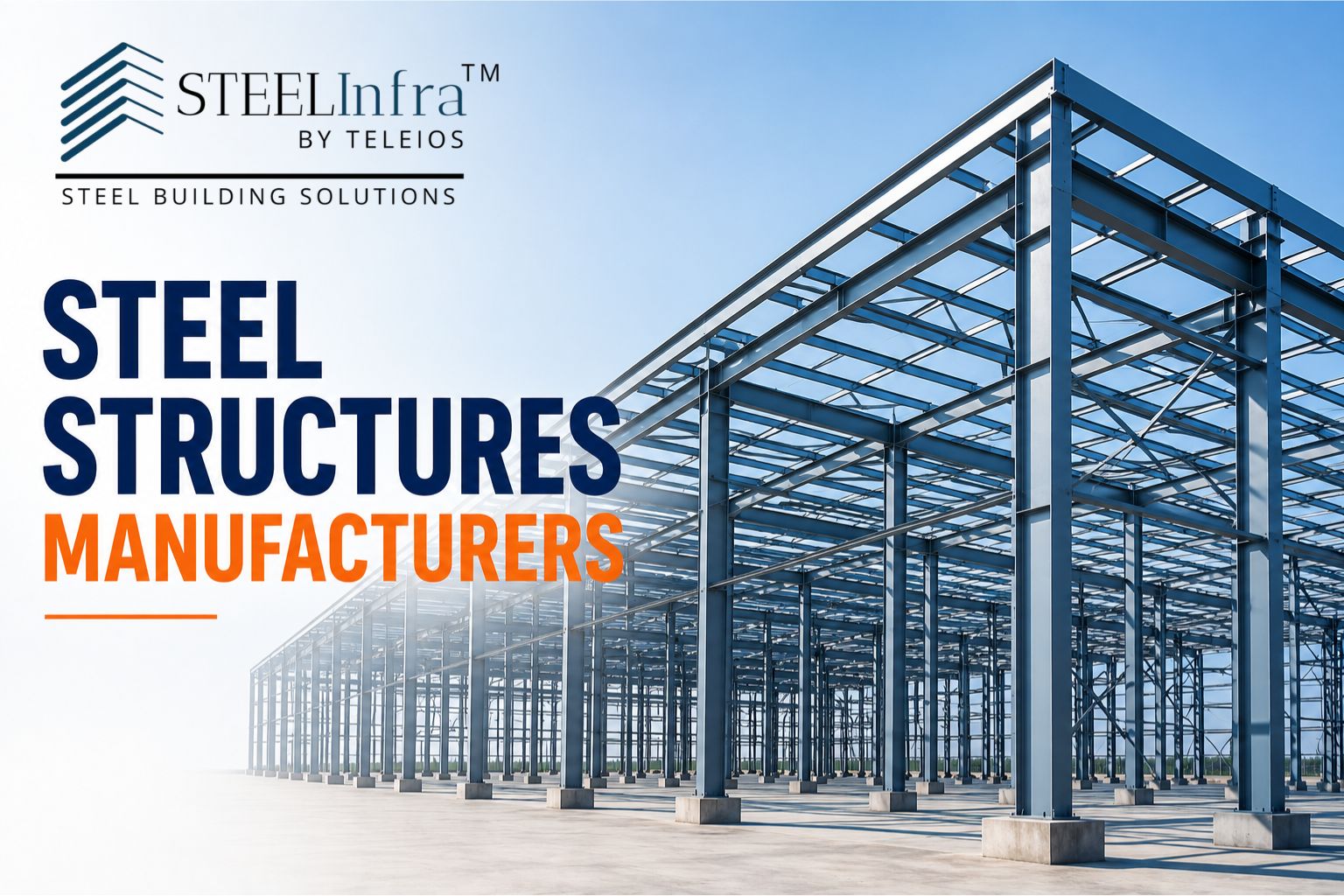
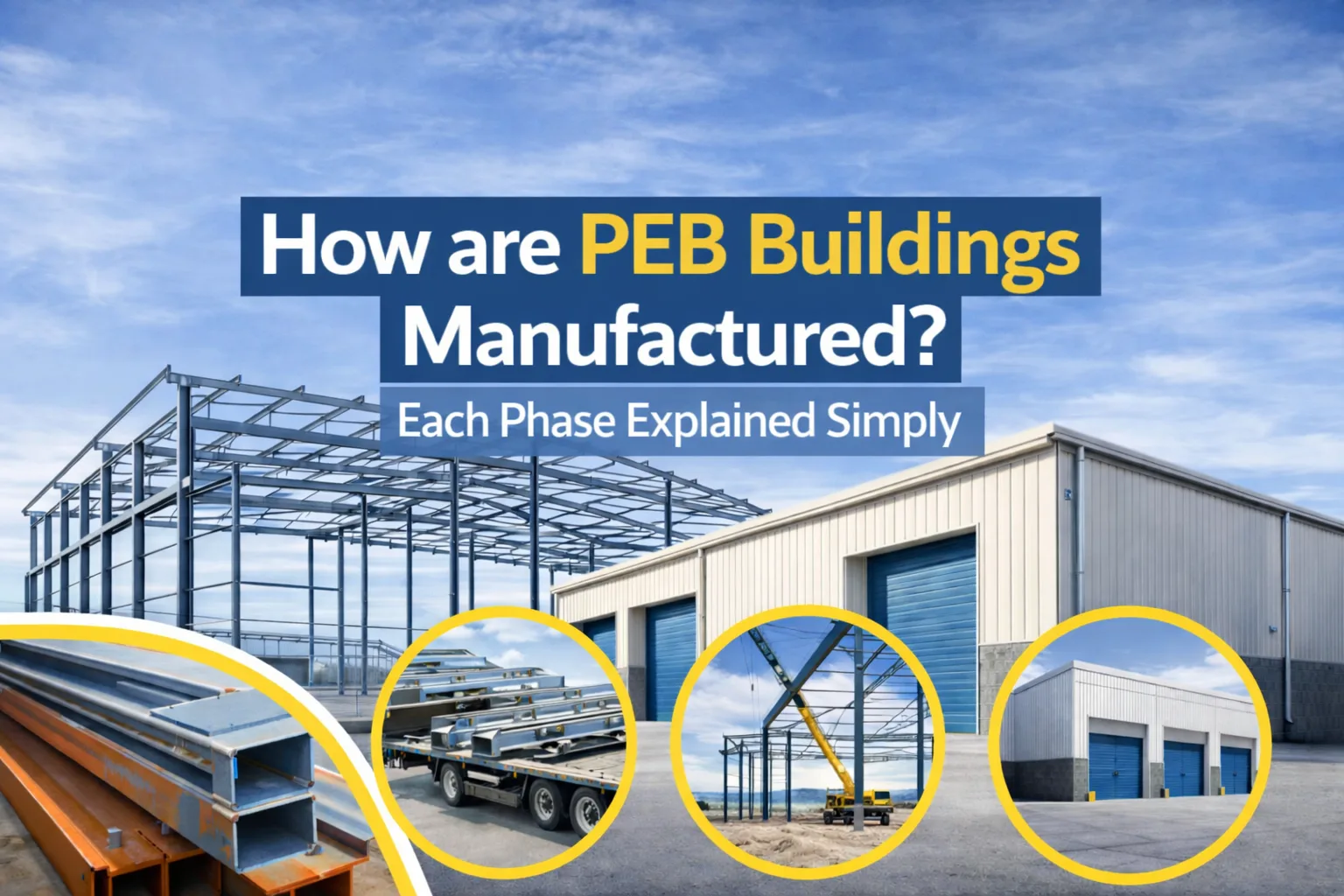
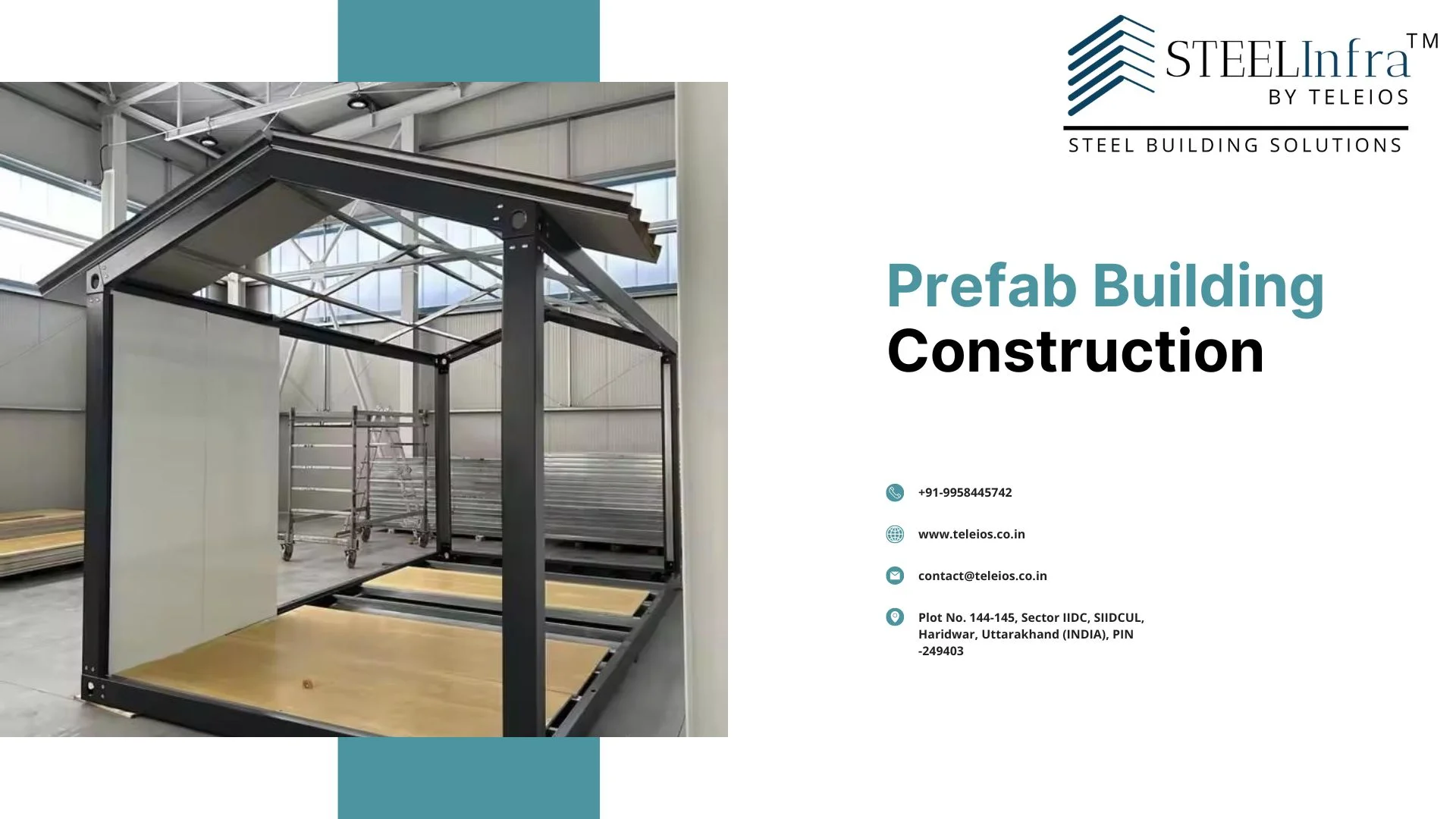
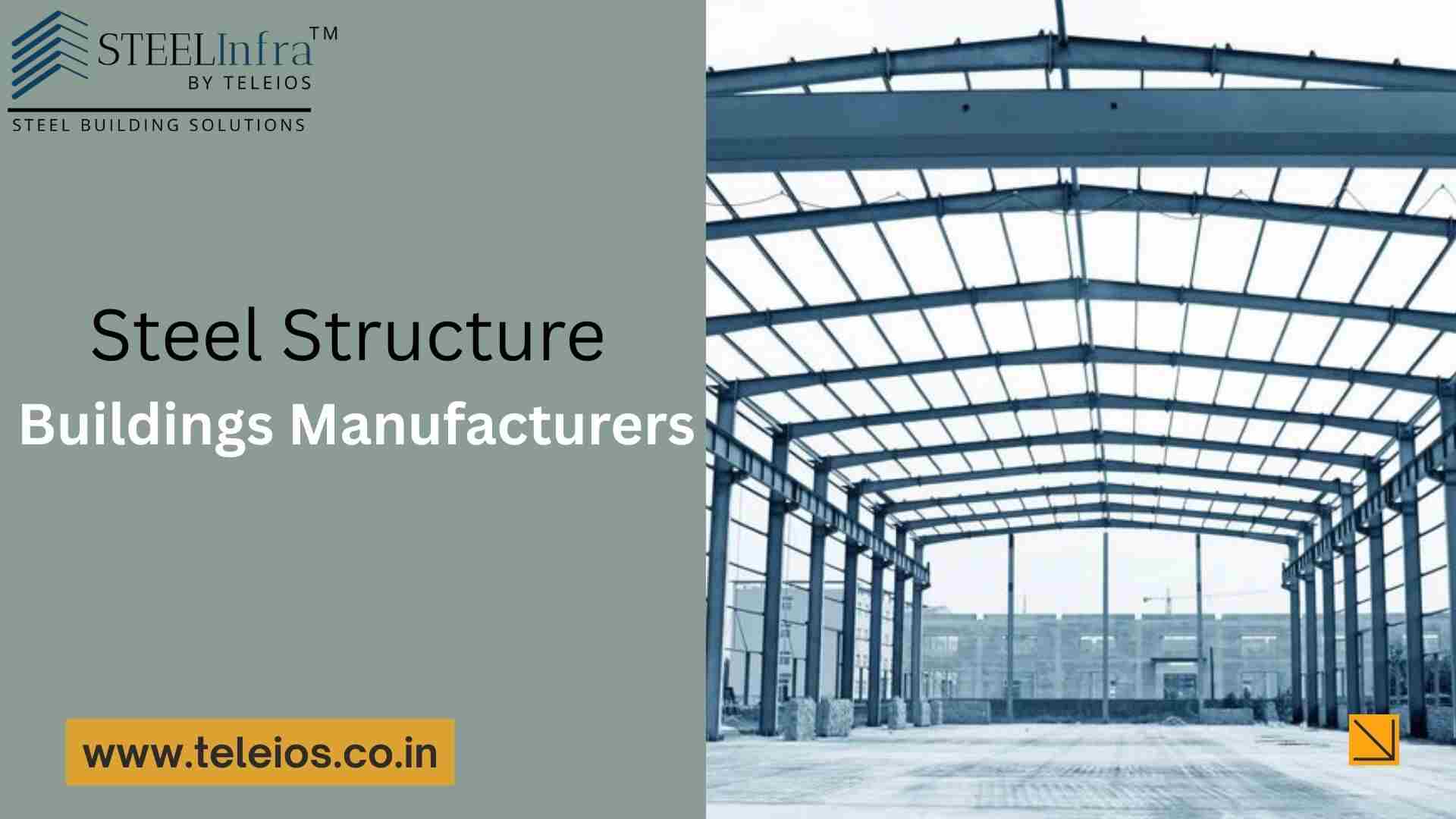
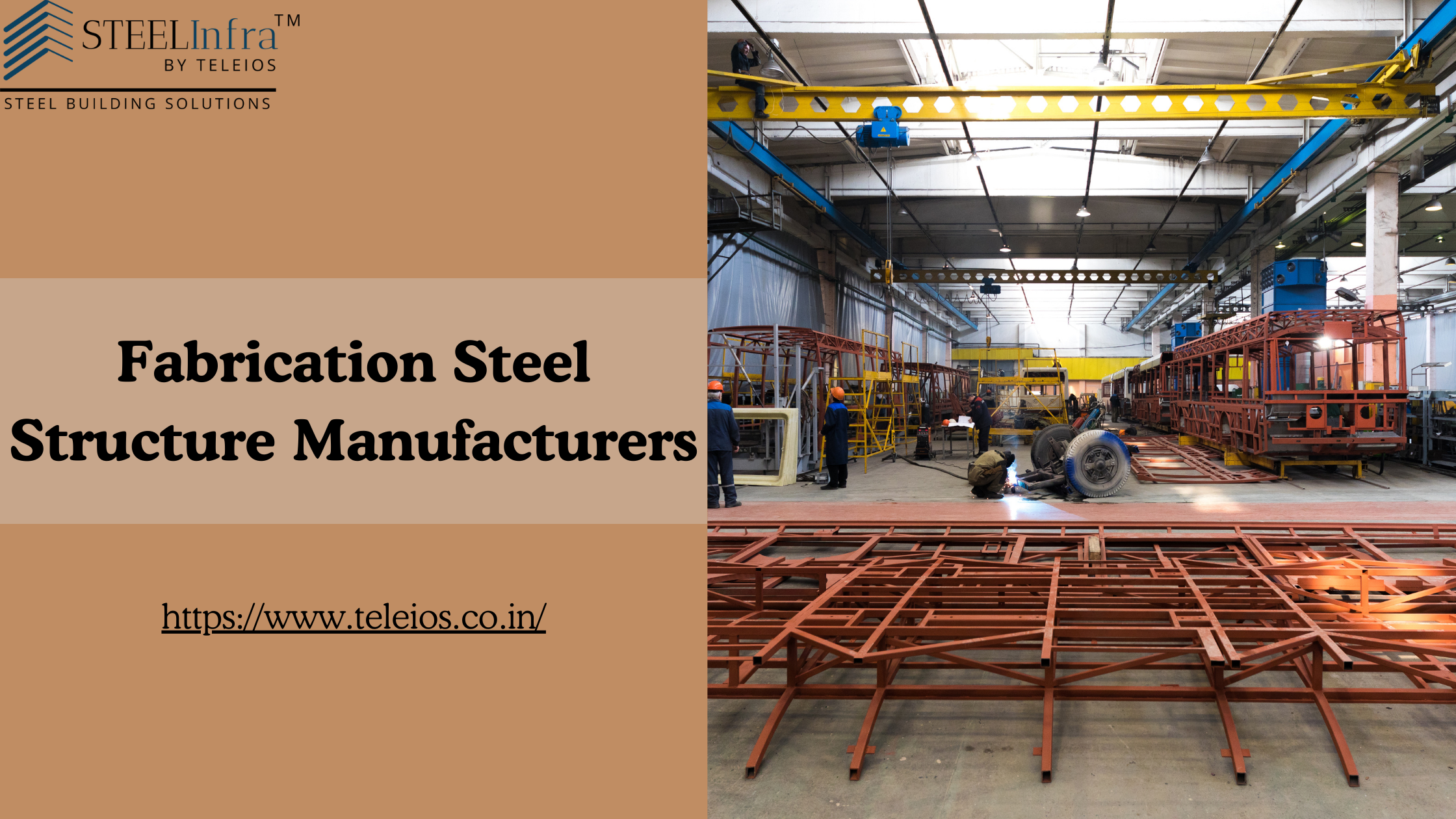
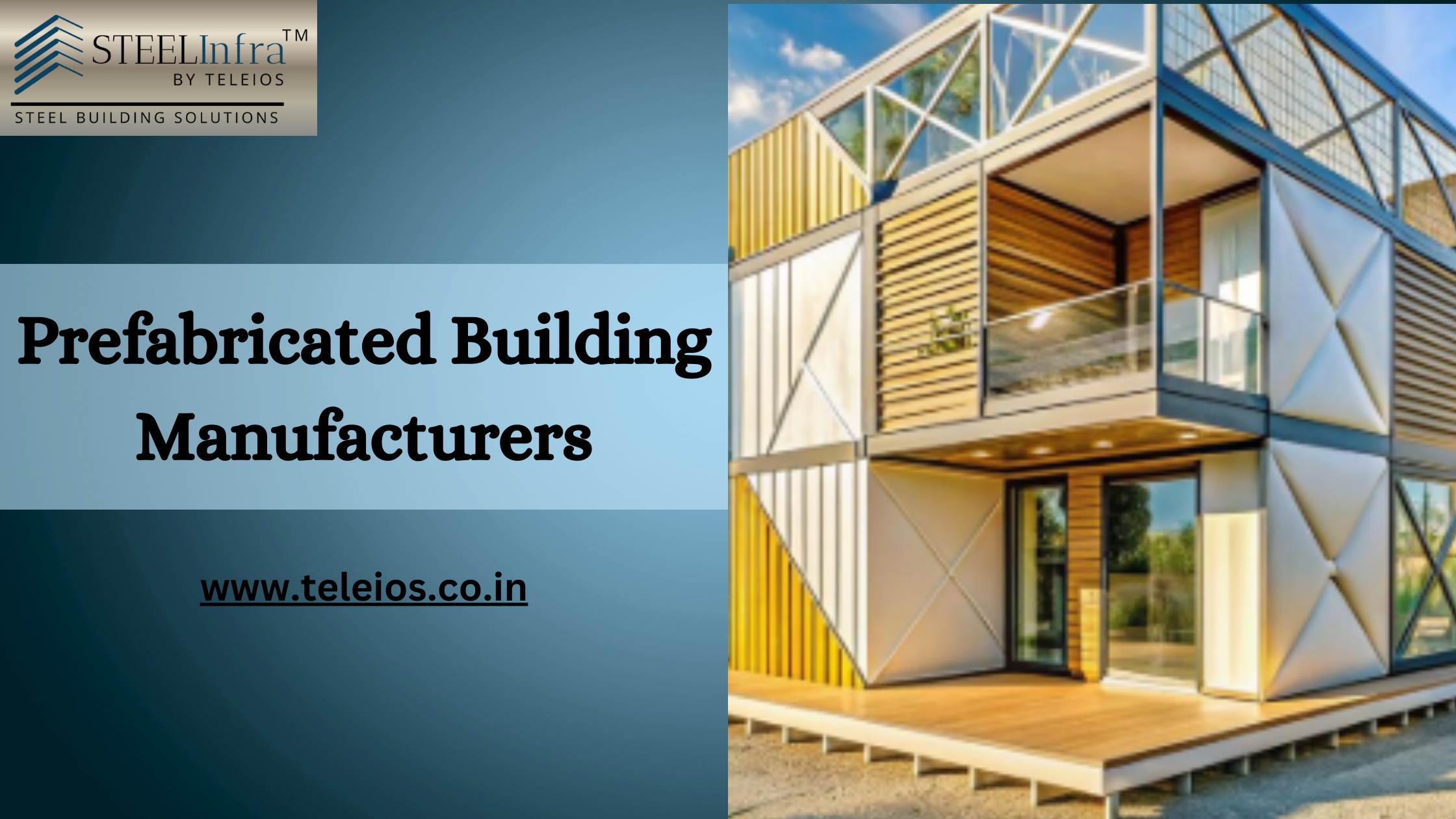
Prefab is a popular term in modern construction. It is a unique method of dividing the building’s blueprint into smaller sections, and each section has a certain number of components that are manufactured in a factory and not on the site. This prefab building construction has sustainable value because it uses recyclable steel for its framework. It is a forward-looking approach adopted by businesses that want to score high on sustainability metrics.
Sustainable Benefits of Pre-Engineered Buildings
Sustainability is no longer a secondary concern for businesses. It has become one of the key objectives for compliance, cost control and brand perception. Here are the key benefits of prefab building construction:
Recyclable Materials
Once the concrete buildings have served their purpose, they are demolished, which is a huge wastage of material and contributes to air pollution. Whereas prefab buildings use steel, which can be recycled and reused.
Less Construction Waste
A lot of waste is generated during the concrete construction. Being off-site, the factory-controlled production ensures less construction waste is released into the natural ecosystem.
Lower Carbon Emissions
Prefab construction method reduces carbon emissions in several ways. It goes on inside a factory, where modern machinery uses energy efficiently. The construction timelines are shorter, which further helps in achieving low-carbon targets.
Less Environmental Disruption
Being finished in a shorter timeline, less environmental disruption is caused in the surrounding areas at the site. Noise, dust and overall pollution are much less than conventional construction.
Alignment with ESG Objectives
Environmental, Social, and Governance (ESG) metrics have a growing influence on corporate decision-making. Resource efficiency, lower carbon emissions and ethical practices are vital for long term business sustenance.
Applications
Here are the examples of prefab construction in commercial zones:
- Industrial and Manufacturing Facilities
- Warehousing and Logistics Centre
- Commercial Buildings and Office Spaces
- Healthcare and Institutional Facilities
- Retail Chains
- Hospitality
Final Notes
Prefabricated buildings are sustainable because it uses steel, a form of material that is easy to machine and takes far less time than concrete does to gain its from. It uses less water and energy in its prefab building construction. These qualities are the reasons why businesses now prefer establishing their setup using this method. STEELInfra By Teleios is a trusted brand that has accomplished many pre-engineered building projects with remarkable efficiency.